Wellington · Aotearoa New Zealand

Freya Mauger

Maker. Entrepreneur. Aspiring economist.

I'm sixteen, and I've spent the last few years turning ideas into things people can hold — hand-made crochet, a sustainable tote-bag label, and heritage pieces made from memory. This is where the making meets the numbers.

3Ventures founded or run
50+Original designs
1Lavender-farm stockist
NCEA L1 Excellence endorsement · L2 on track

About

Creative hands, a head for business.

I love the whole arc of an idea — designing it, making it by hand, and then working out how to actually sell it. Crochet is where I started: a hook, a ball of yarn, and a stall at the market. It grew into Hand Made By Freya, and then into a real stockist relationship with a lavender farm.

School gave me the chance to go further. As CEO of Saltwater Scraps, I've led a five-person team building a sustainable tote-bag brand from rescued fabric. As treasurer of Ngaio Badminton Club, I look after the books — because the least glamorous part of any organisation is the part everything else depends on.

Now I'm setting my sights on economics and entrepreneurship at university, and eventually building a company of my own.

Featured projects

Three projects I'm proud of.

The work that taught me the most — about making, about heritage, and about running something real.

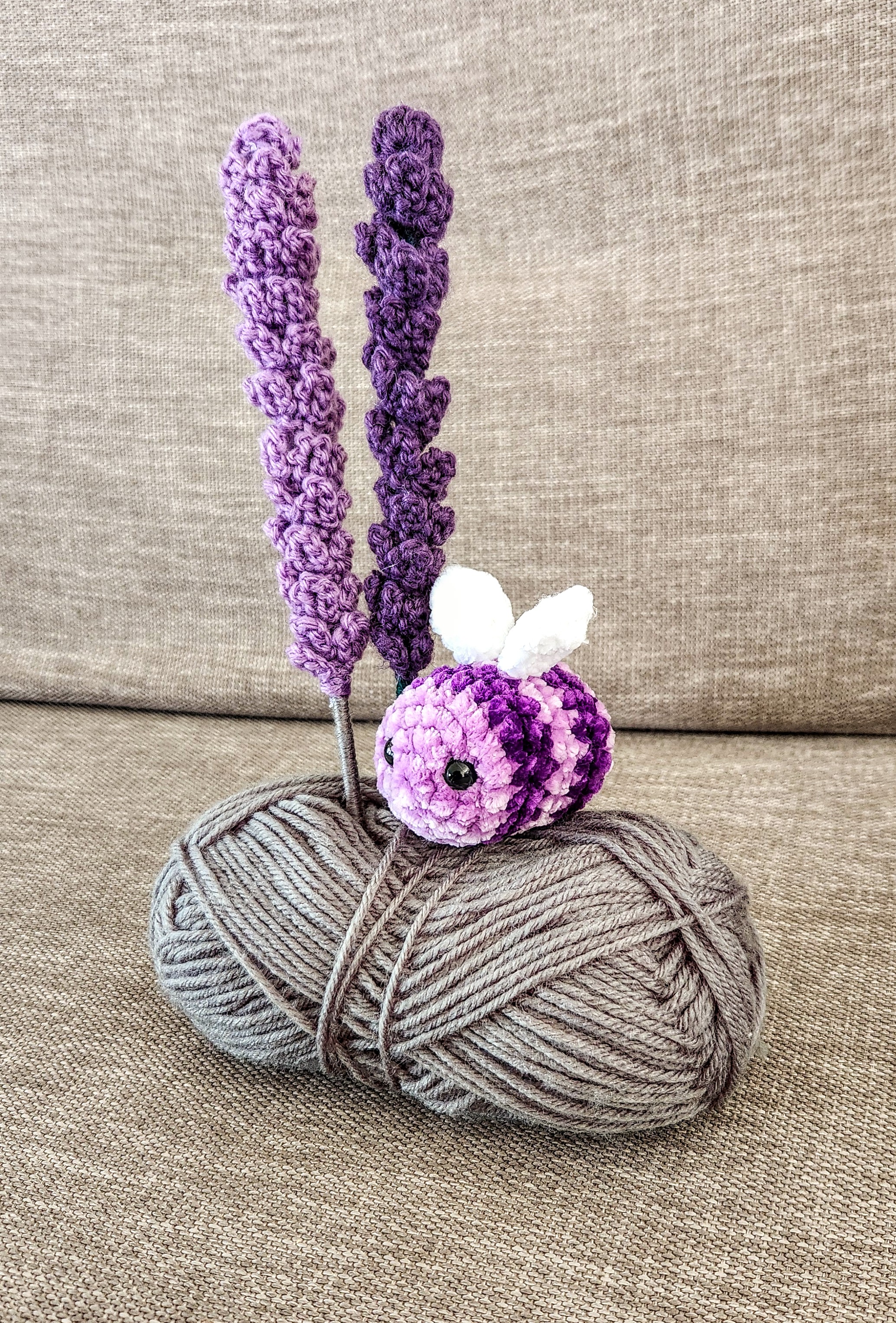
A purple crocheted bee with crocheted lavender stems resting on a ball of wool
Signature bee & lavenderThe Hand Made By Freya look
The Hand Made By Freya logo
Hand Made By FreyaThe brand
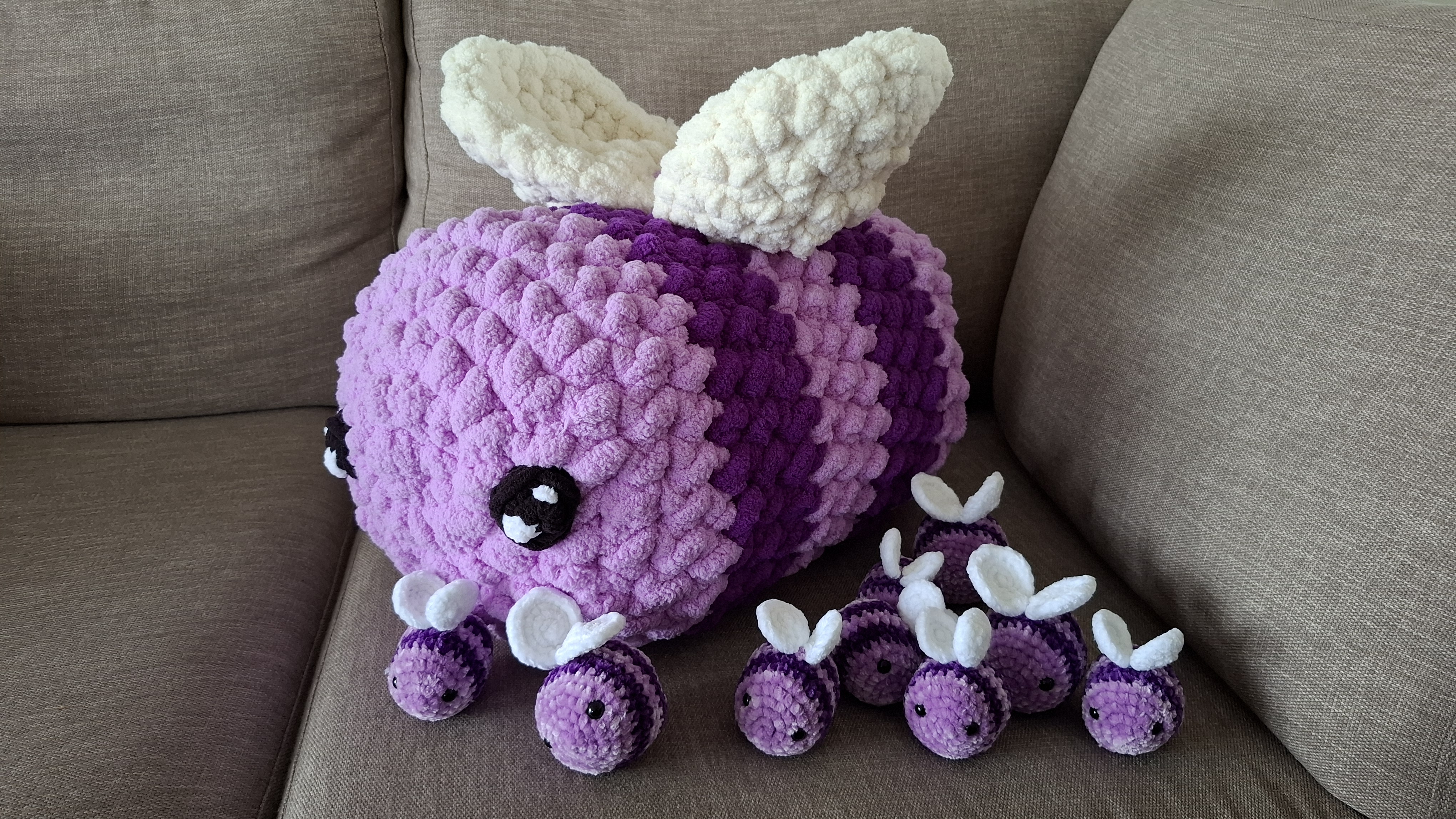
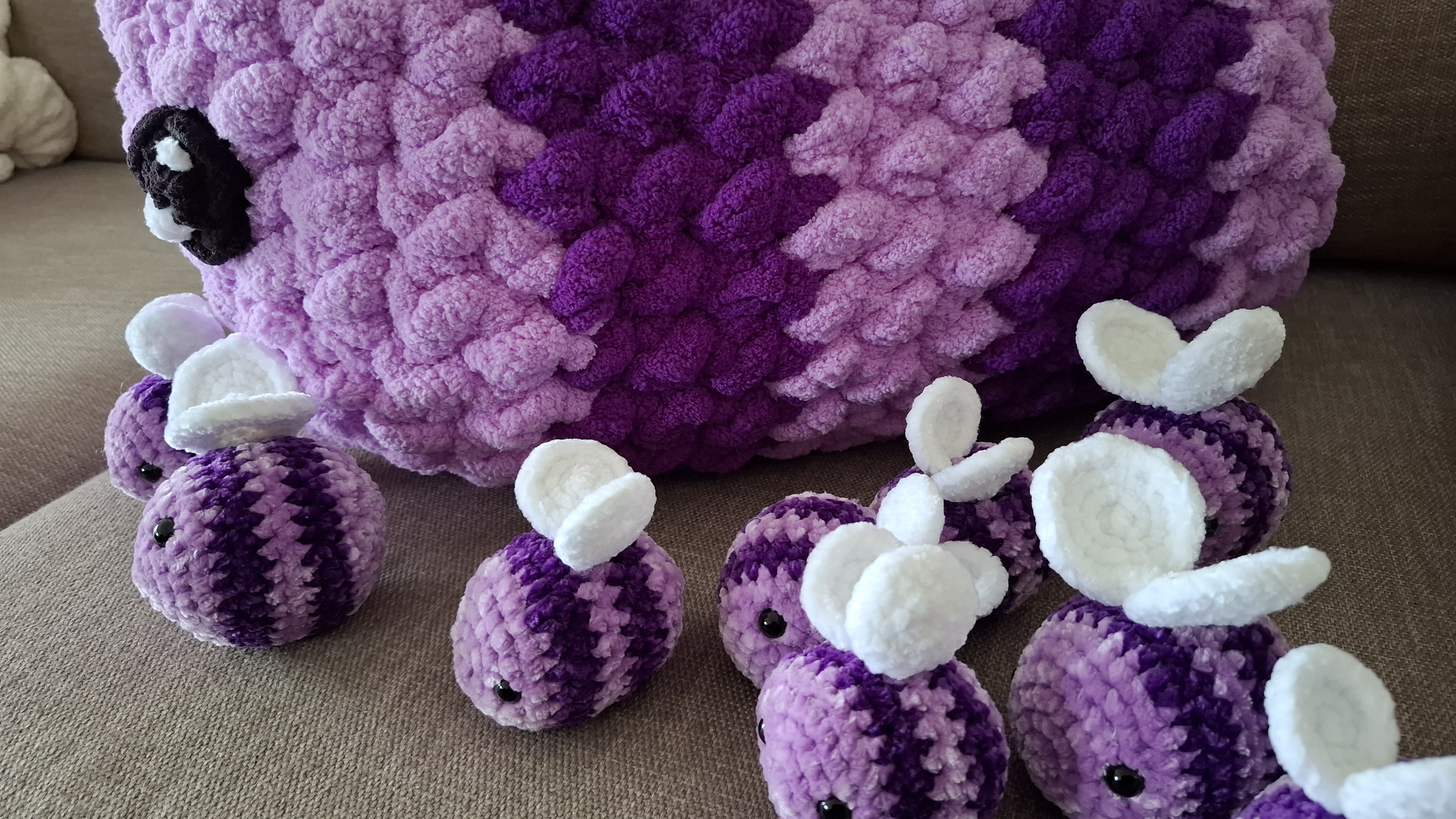
A giant crocheted purple bee surrounded by a colony of small purple bees on a table
The beesGiant display bee & colony
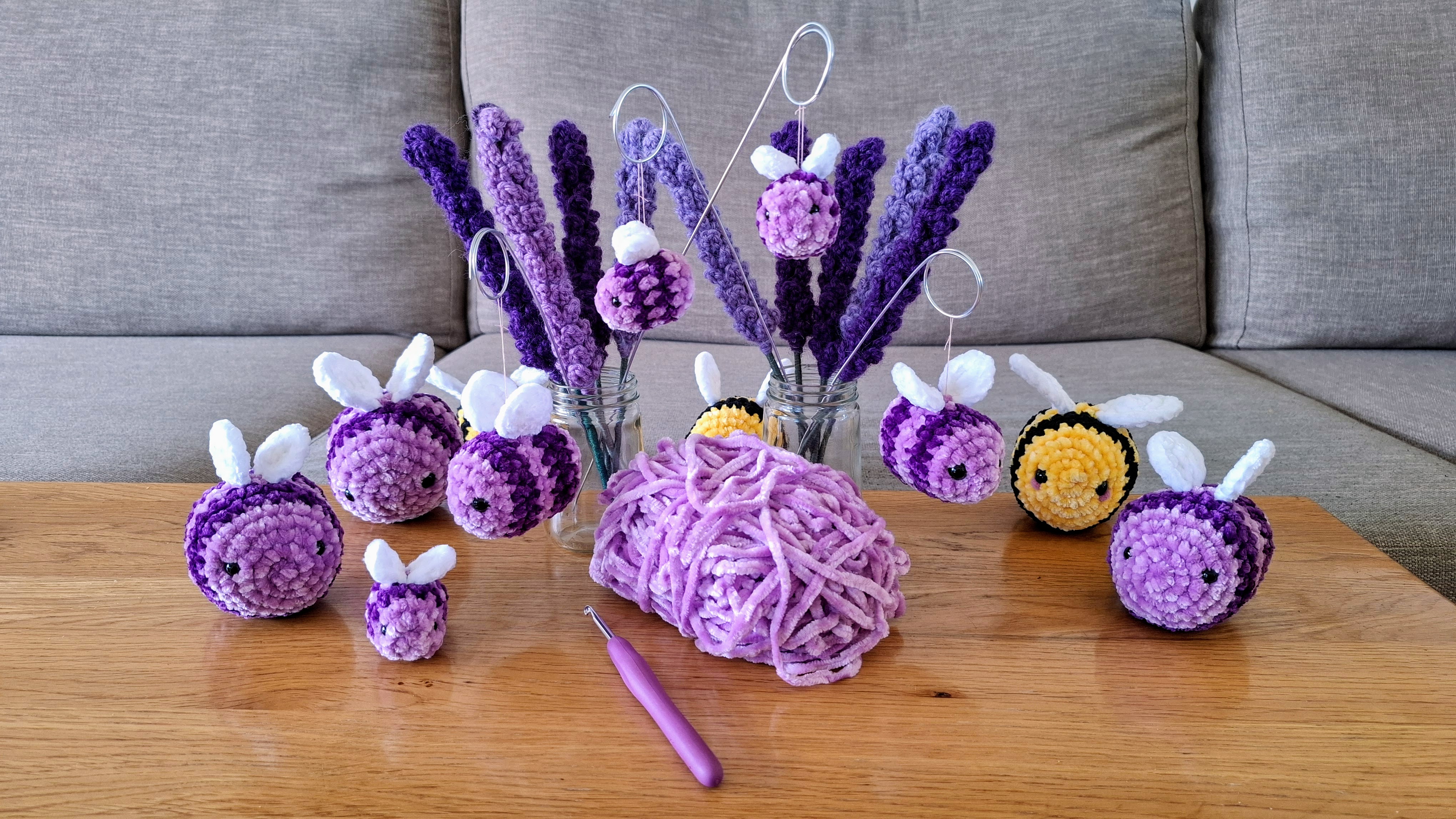
Crocheted lavender stems in jars surrounded by purple and yellow bees
Lavender & beesMade for the farm shop
Close-up of the giant crocheted purple bee
Giant bee, up close
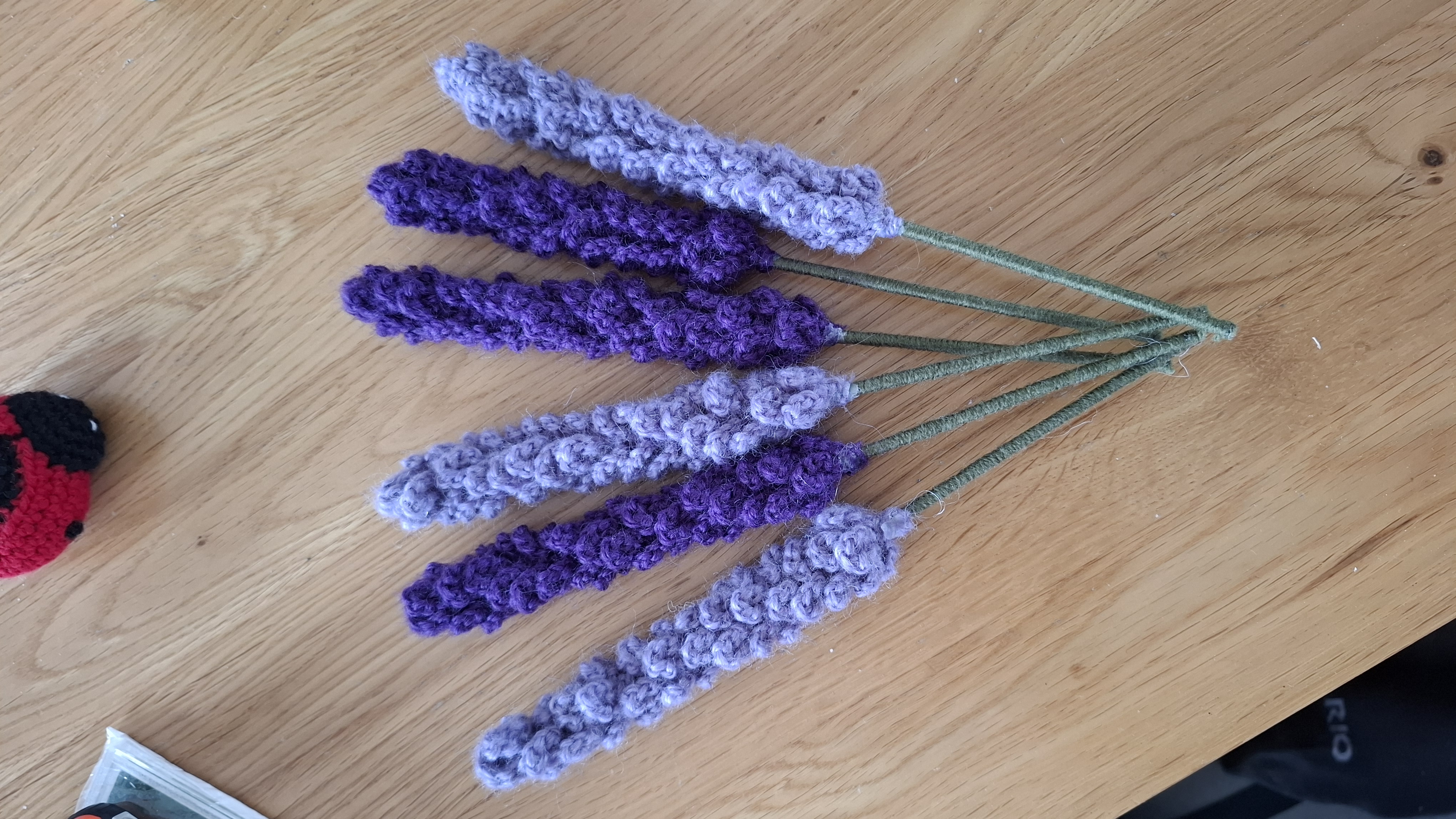
Crocheted lavender stems in shades of purple
Crochet lavender

Hand Made By Freya × Ranui Essentials

The little bees that started a business.

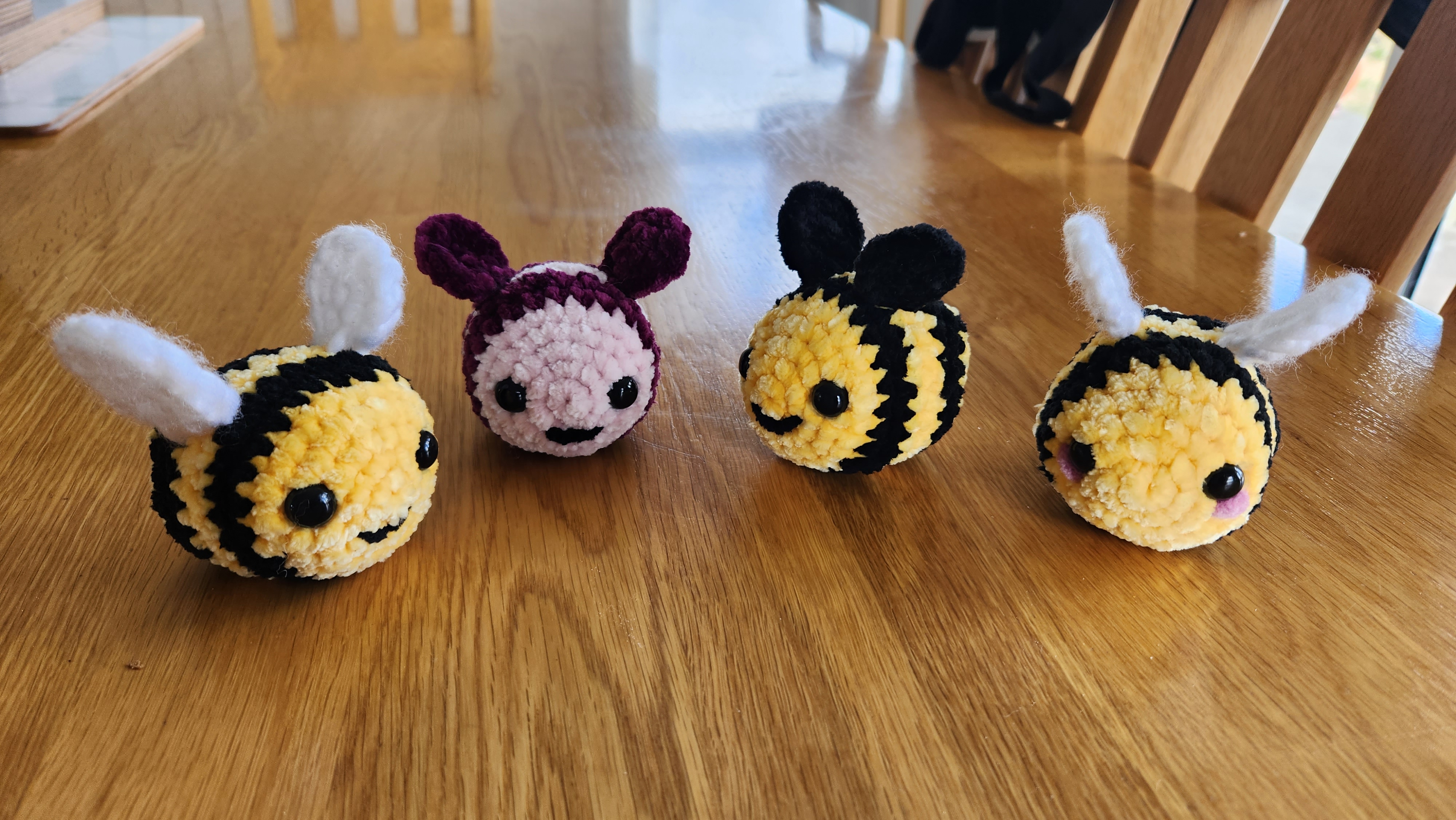
Hand Made By Freya began with a hook, a ball of yarn, and a market stall. It grew into a real brand — and a genuine stockist relationship with Ranui Essentials, the award-winning lavender farm in Martinborough, which kindly sells my crochet creations in their farm shop.

My signature product is the lavender bee — a little chenille bumblebee, right on theme for a lavender farm — made in batches in soft purples, alongside crocheted lavender stems. I even made a giant display bee to watch over all the little ones.

This is the project where I learned to make, market and sell regularly: pricing, stock, presentation, and looking after a stockist.

🐝 Signature lavender bees Giant display bee Stocked at Ranui Essentials
Visit ranuiessentials.co.nz →
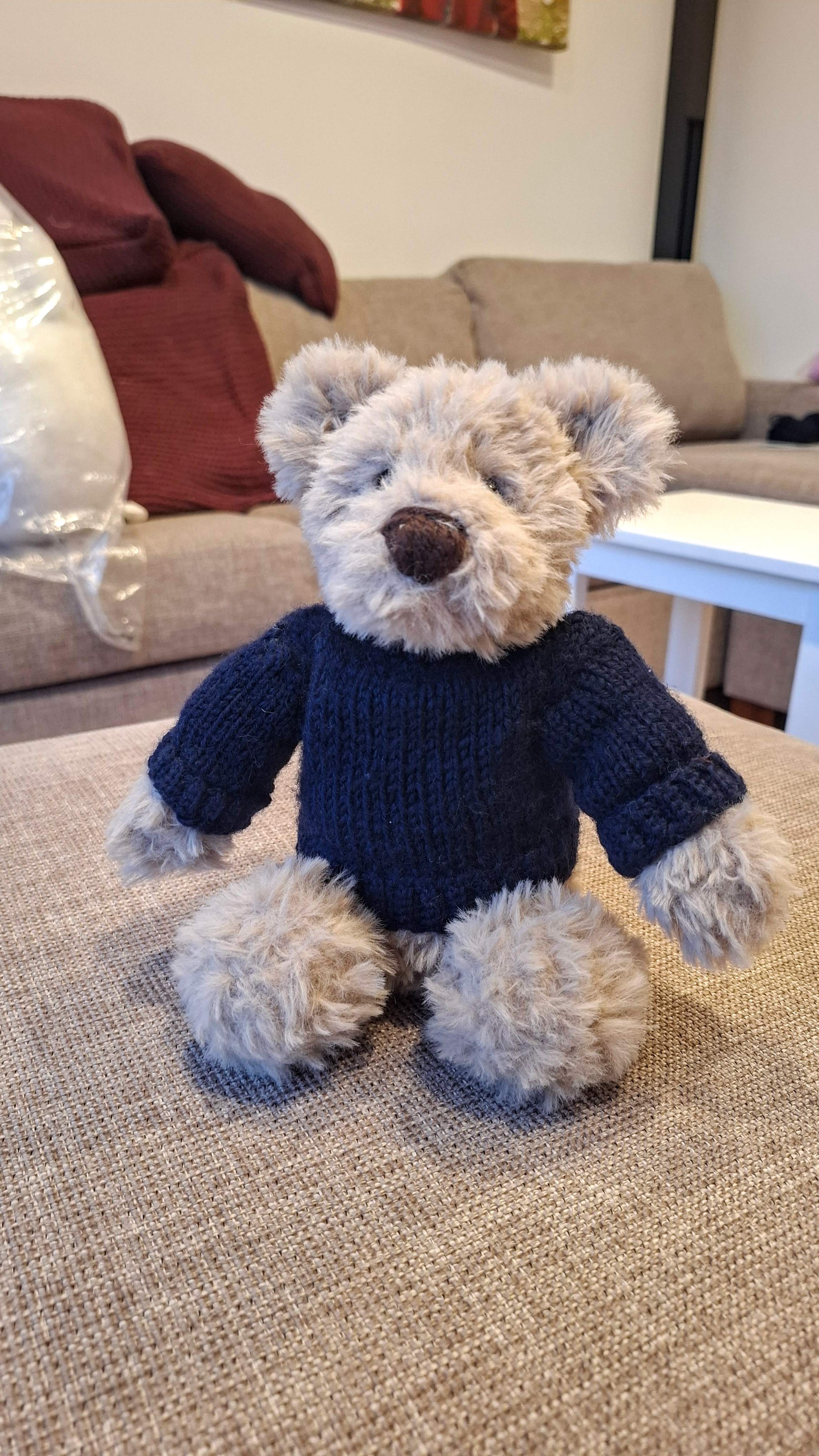
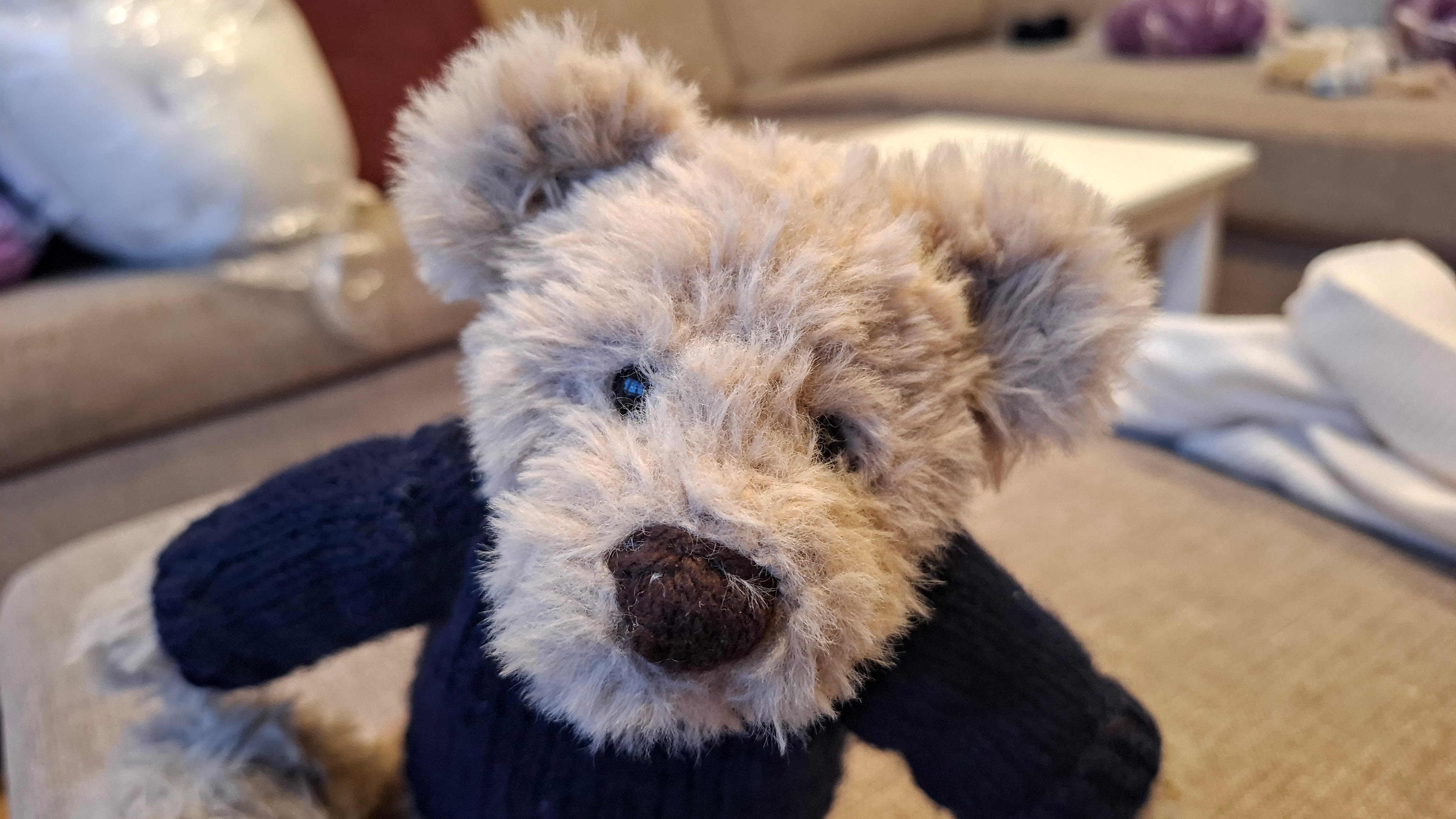
A fluffy light-brown crocheted teddy bear wearing a hand-knitted navy Guernsey jumper
The Guernsey teddyCrochet bear · knitted jumper
Close-up of the teddy bear's fluffy face and stitched nose
Faux-fur detail
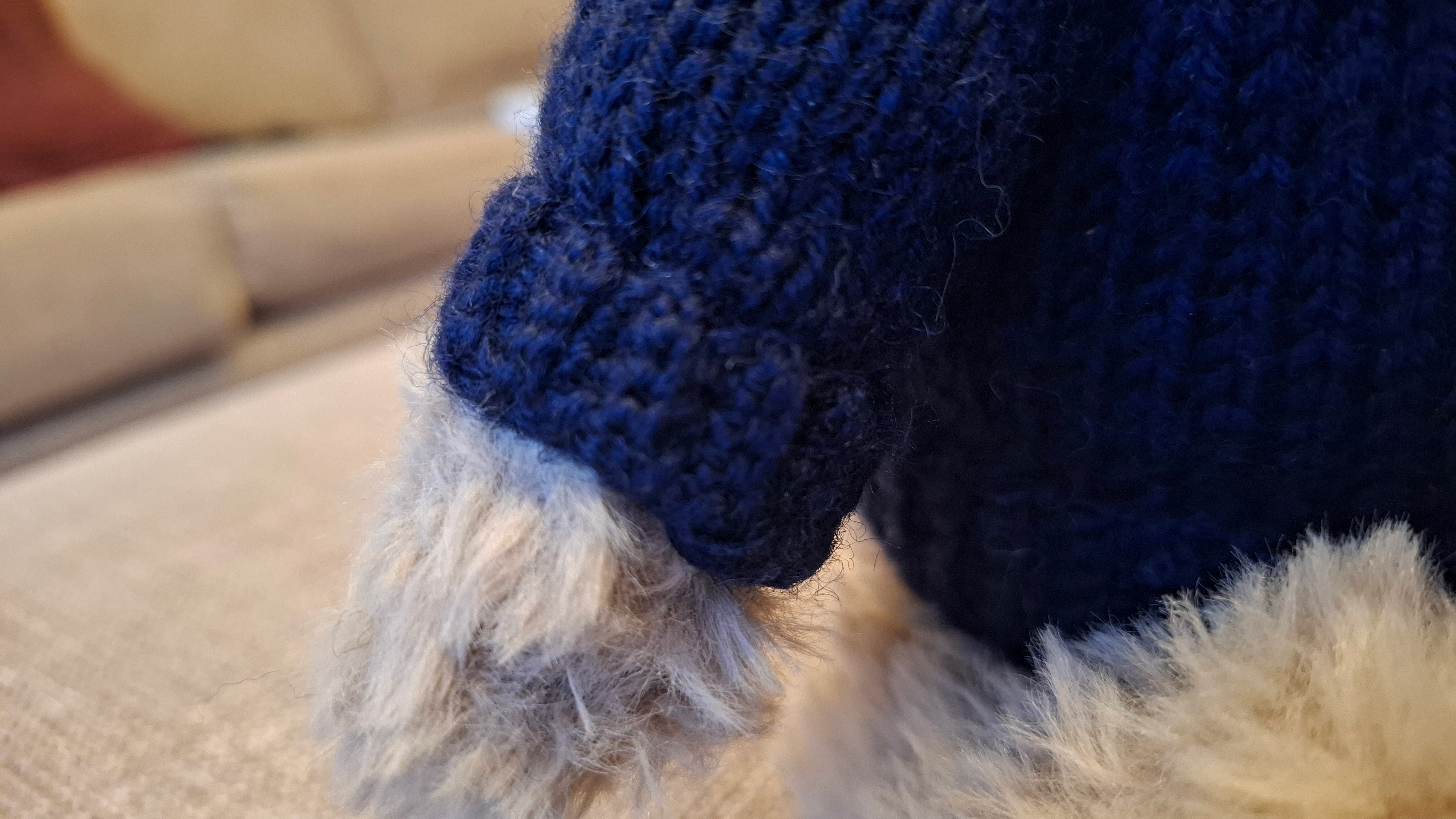
Close-up of the knitted navy Guernsey jumper with ribbed cuff
Hand-knitted jumper

NCEA Level 1 Fashion · 2025

A Guernsey teddy, made from memory.

For my Level 1 soft-toy project, I made a traditional Guernsey teddy for my dad. He's from Guernsey, an island with over 4,000 years of history, so authenticity mattered.

I ran a full iterative design process — research, mood-boards, five concepts and rounds of stakeholder feedback — then crocheted the bear in light-brown faux-fur yarn and hand-knitted a miniature navy Guernsey jumper with ribbed collar, cuffs and hem. I'd never knitted before, so I taught myself. I also researched at Le Tricoteur, the traditional Guernsey makers on the island.

"The crochet bear is a work of art and I can't believe this is her first knitting project. Definitely an A* from us in Guernsey!"— Le Tricoteur, Guernsey
Self-taught knitting Crochet + knit Guernsey heritage
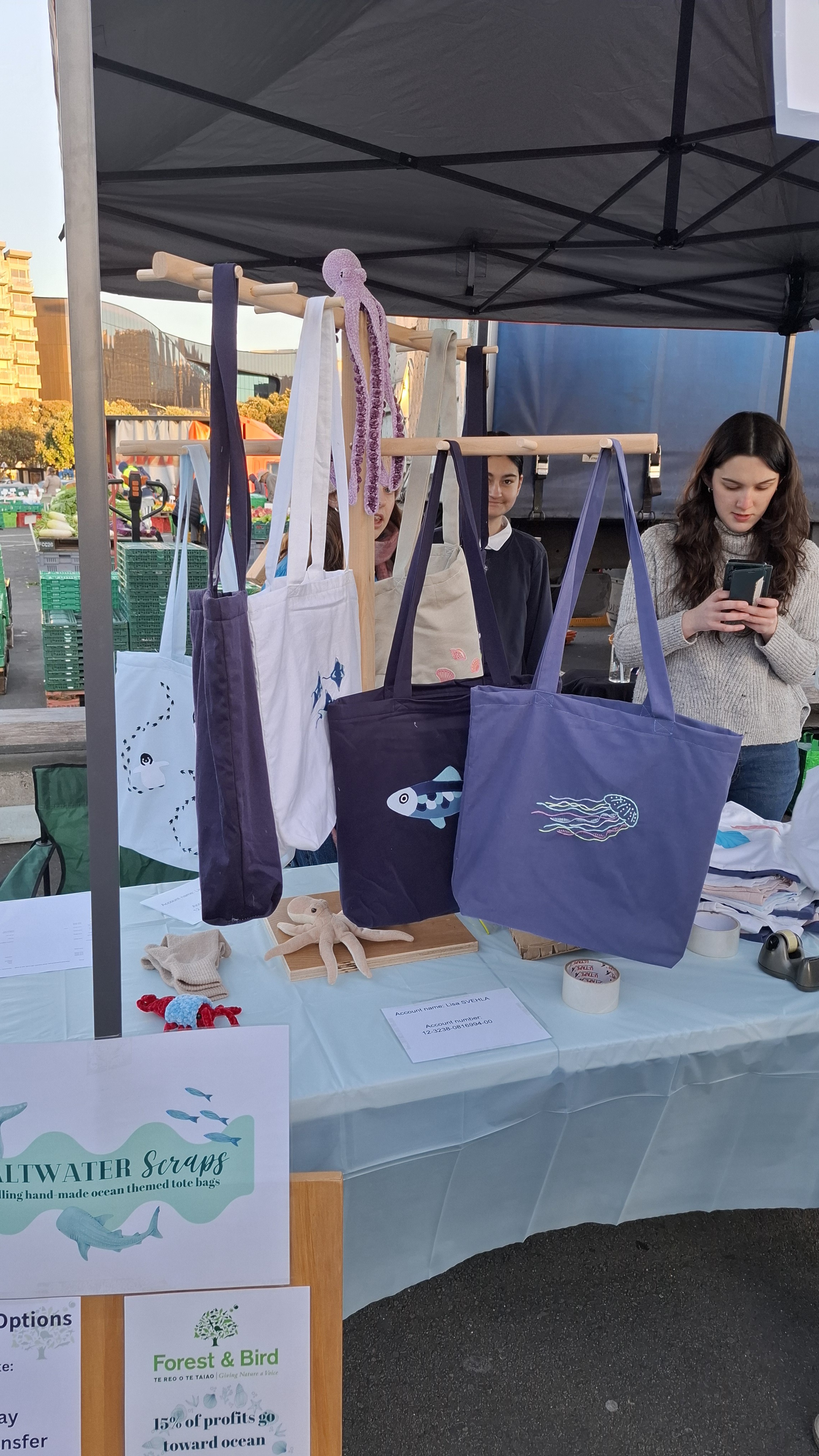
The Saltwater Scraps market stall with tote bags and handmade pieces on display
At the marketThe Saltwater Scraps stall
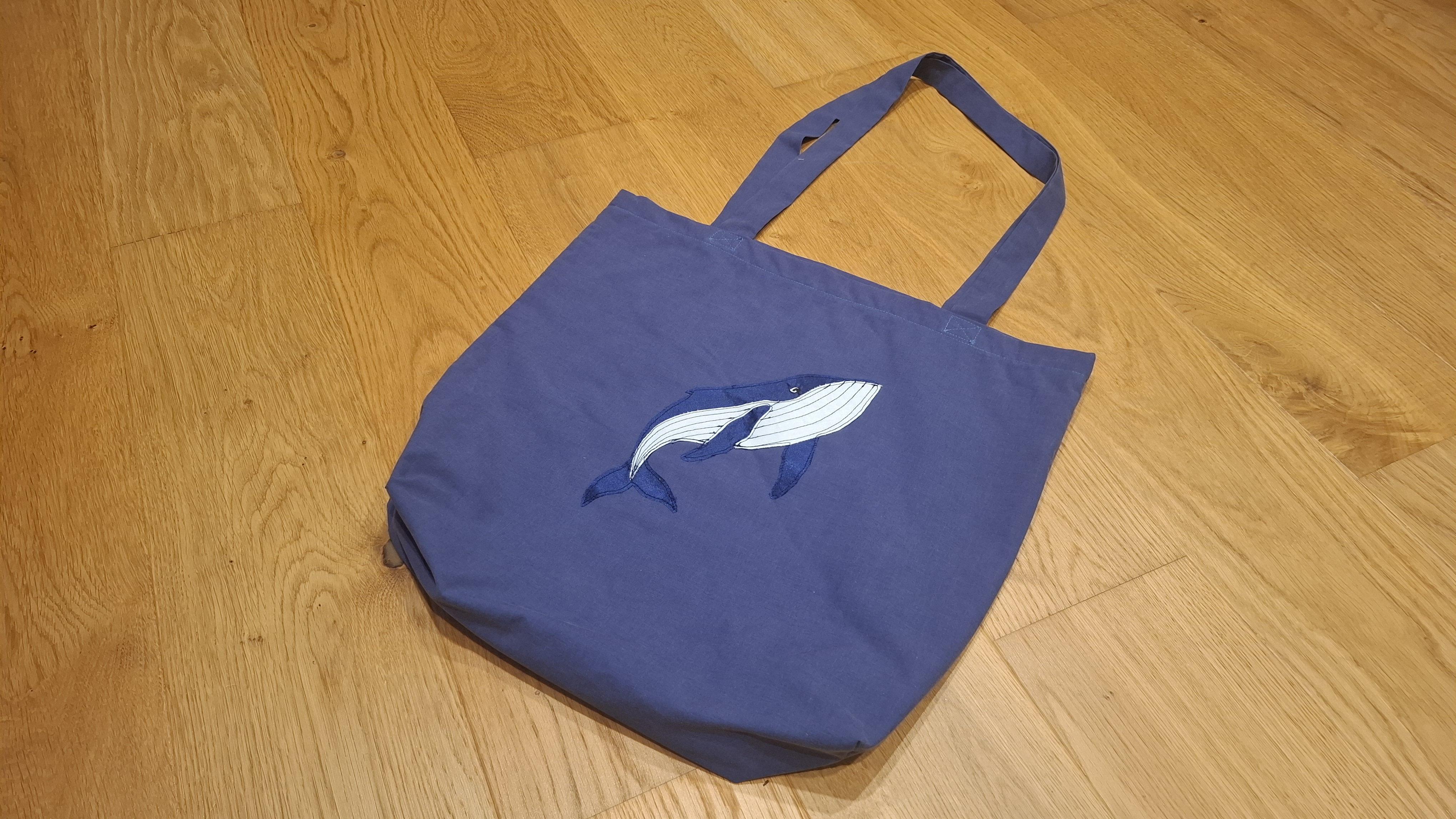
A navy tote bag with an appliqué humpback whale
Humpback whale toteAppliqué on rescued fabric
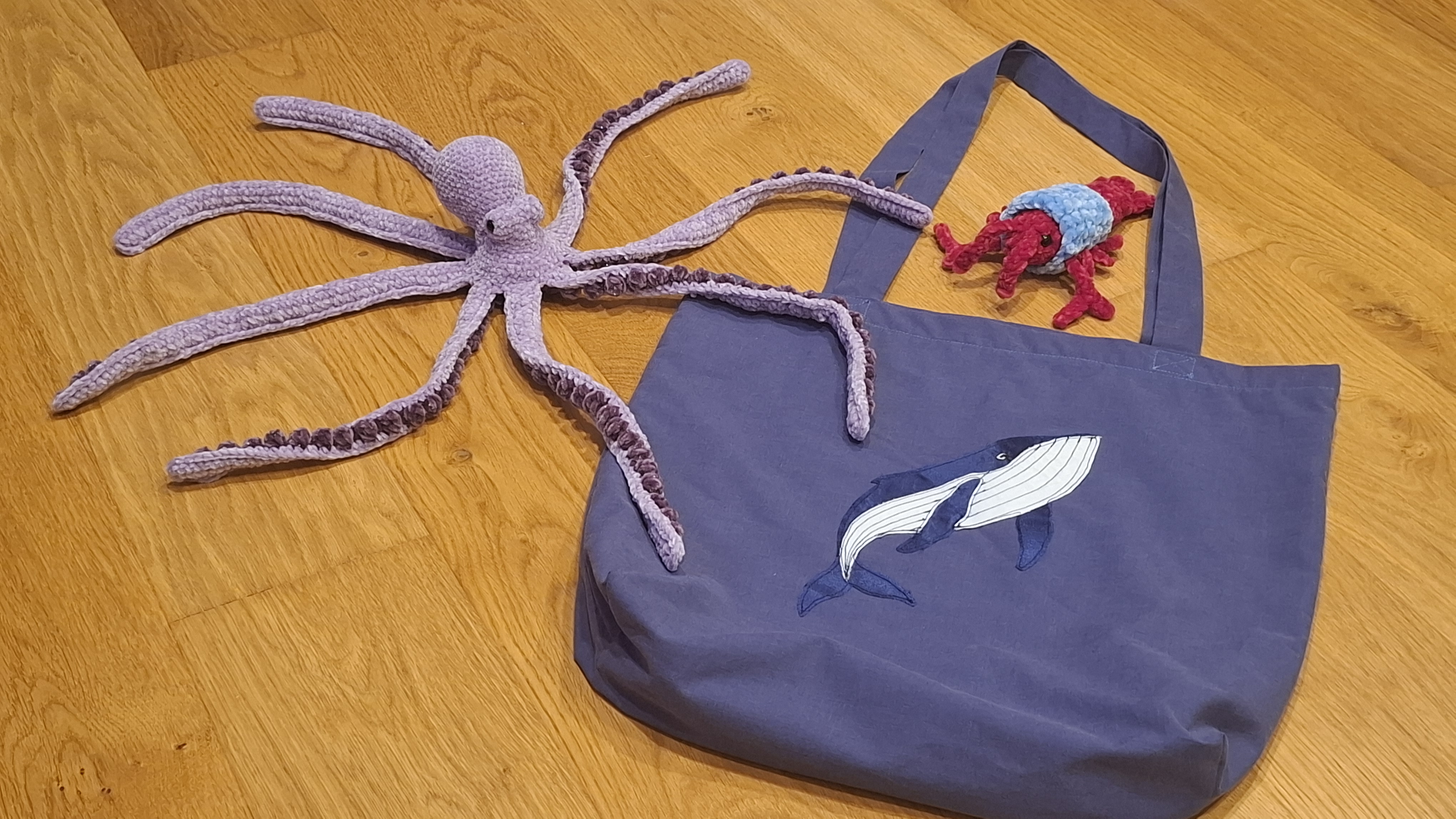
The whale tote bag with a crochet octopus and Rob the Lobster
The crewTote, octopus & Rob
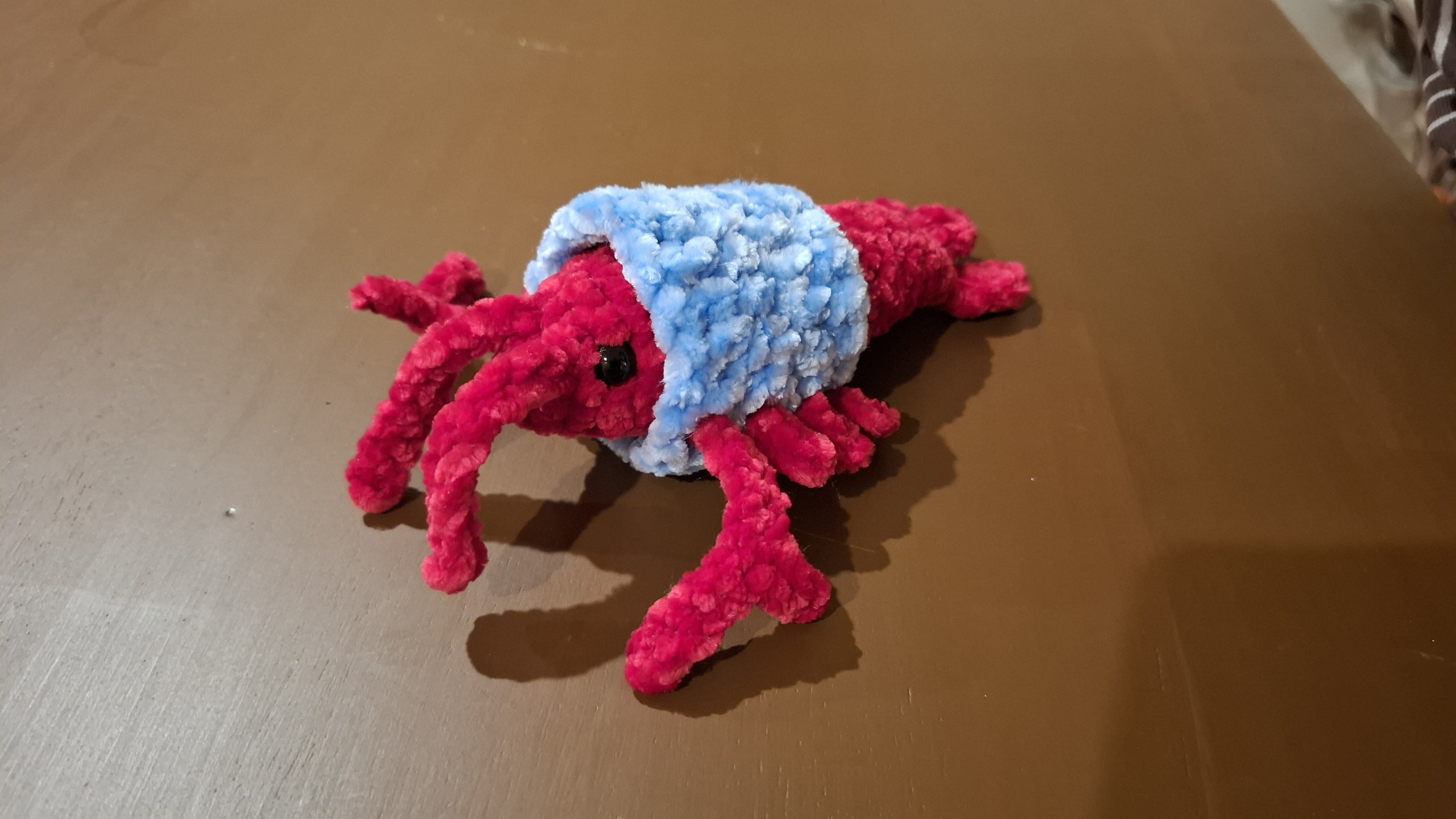
Rob the Lobster — a red crochet lobster with a blue shell
Rob the LobsterCrochet mascot
The Saltwater Scraps logo — a watercolour starfish in a wreath of shells
Saltwater ScrapsBrand logo

Chief Executive Officer · Saltwater Scraps

Leading a sustainable label.

As CEO, I lead a team of five Onslow College students turning rescued op-shop fabric into one-of-a-kind tote bags — each celebrating the marine life of Aotearoa. Every scrap tells a story. Every bag protects a shore.

We've designed 16 original sea-life prints across four craft techniques, and donate 15% of profits to Forest & Bird. It's my first taste of running a company: brand, product range, pricing and purpose.

At our very first public market — Harbourside Market in Wellington — we sold out every single tote bag at full price, and customers even asked to buy the crochet table decorations off our stall. For the second market we had to make a fresh batch of totes at short notice, which turned out to be a real lesson in teamwork under pressure.

We also turned our mascot, Rob the Lobster, into a proper product line, tested how sensitive customers were to price, and experimented with different marketing techniques along the way — all good foundational skills for a team of young entrepreneurs.

100% rescued fabric 16 original designs 15% to Forest & Bird
See the full range at saltwaterscraps.com →
Fashion Design

Designing what people wear.

From original couture concepts to a hand-illustrated history of the silhouette — and pieces I make to wear. Tap any image to see it larger.

Concept designs

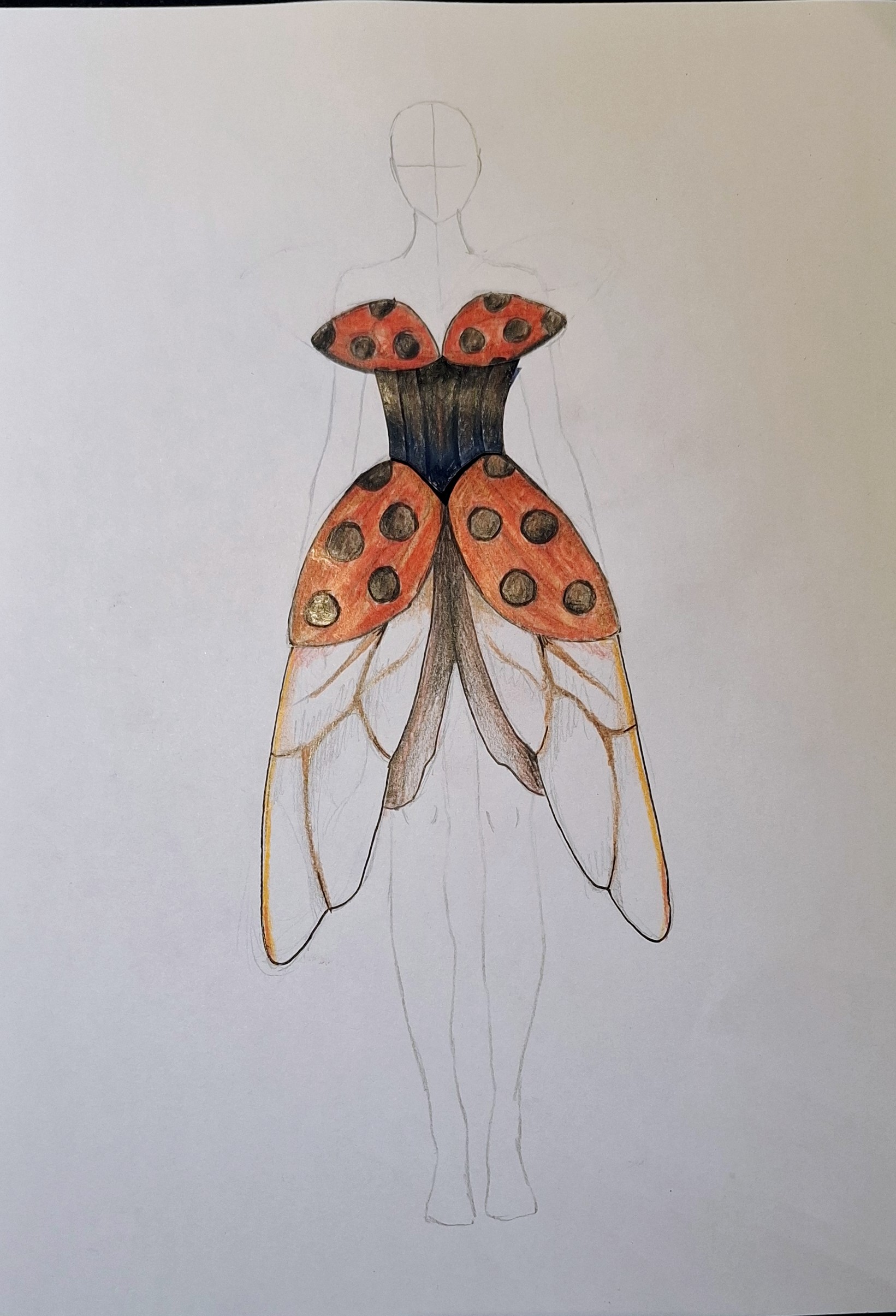
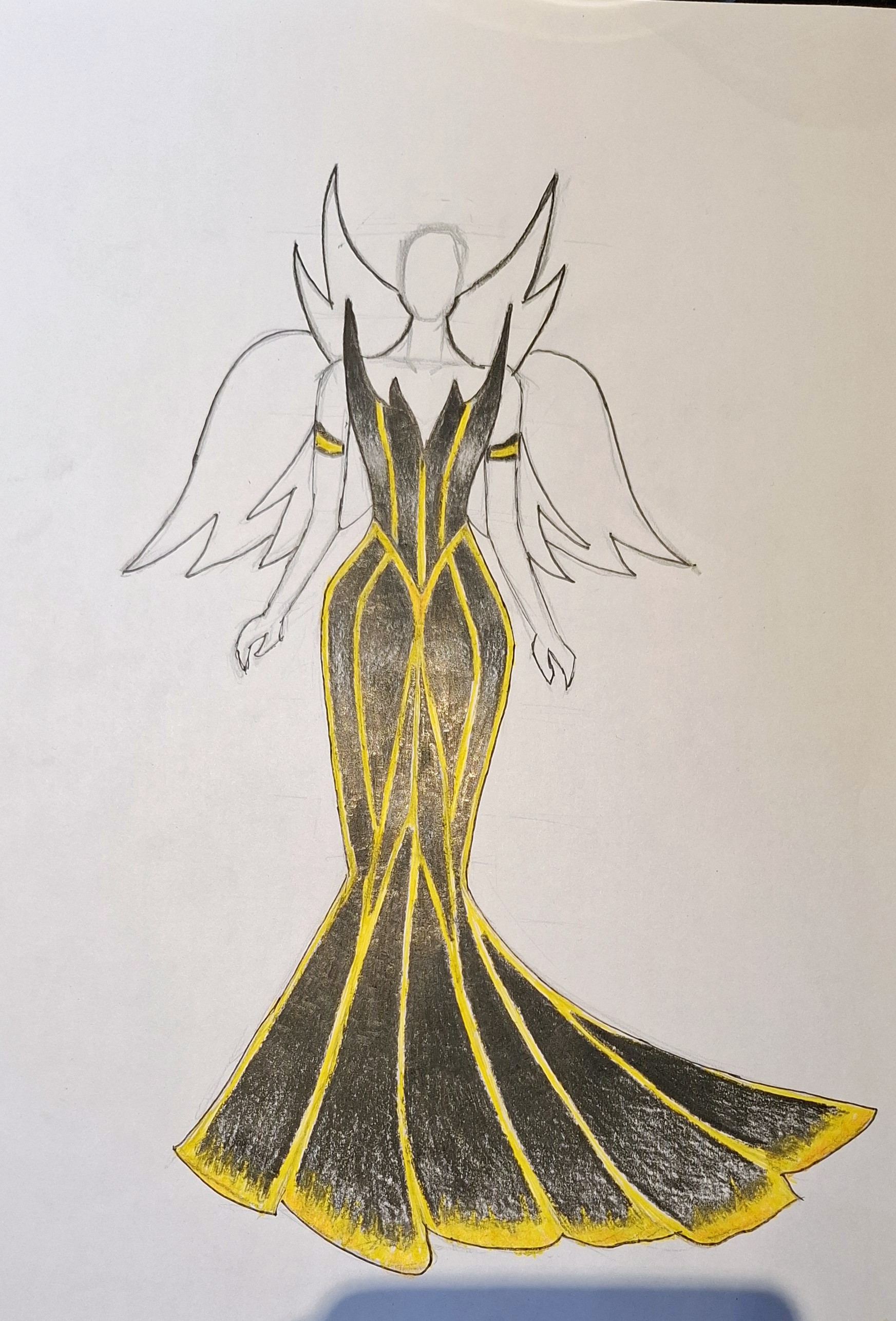
Original couture concepts, drawn and coloured by hand — taking cues from the natural world and turning them into wearable drama.

Fashion concept sketch of a gown inspired by a ladybird, with red spotted shell panels and translucent insect-wing skirt
Ladybird coutureNature-inspired concept
Fashion concept sketch of a black and gold mermaid evening gown with a winged, flame-like bodice
Black & gold gownWinged evening-wear concept

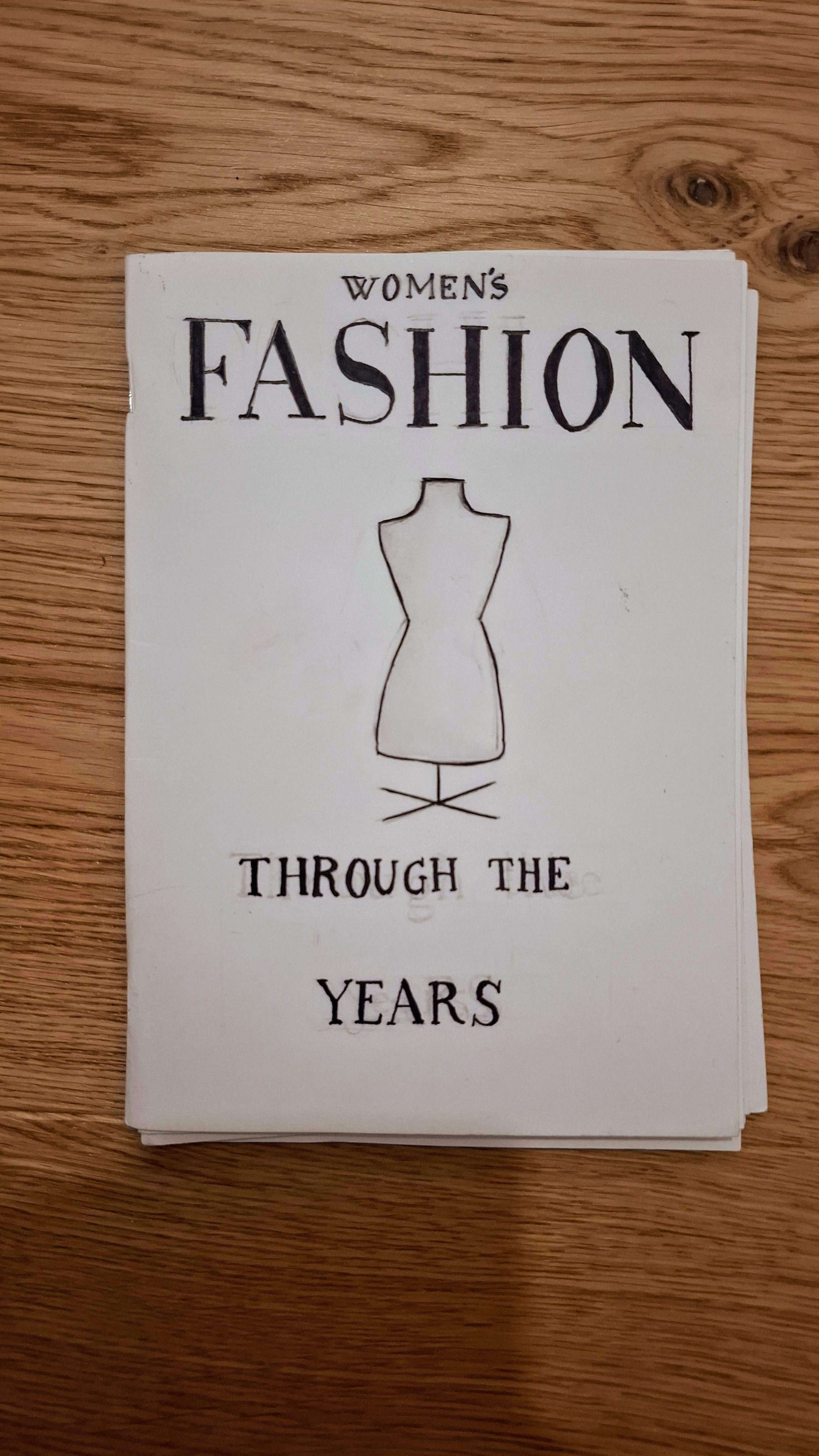
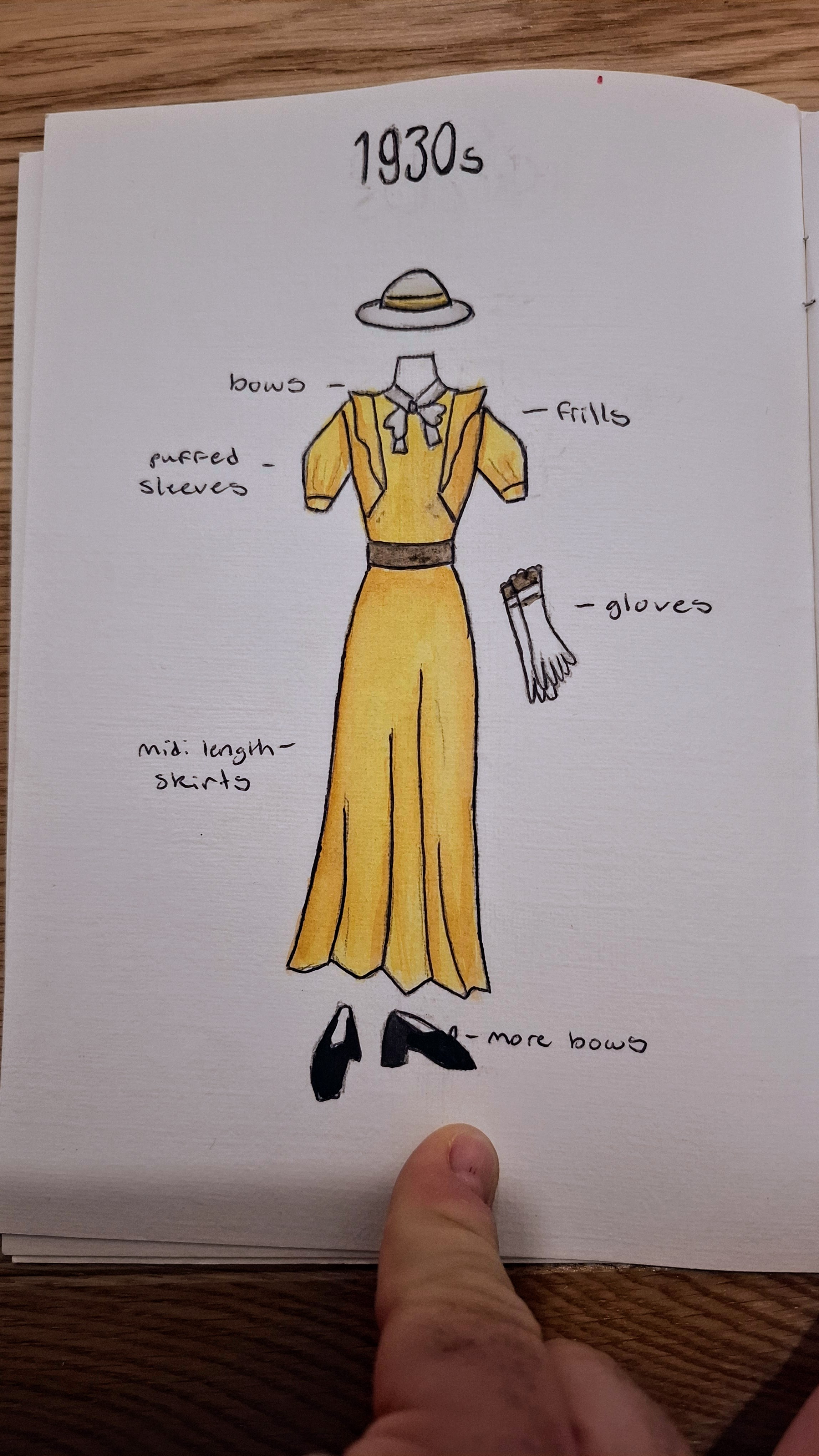
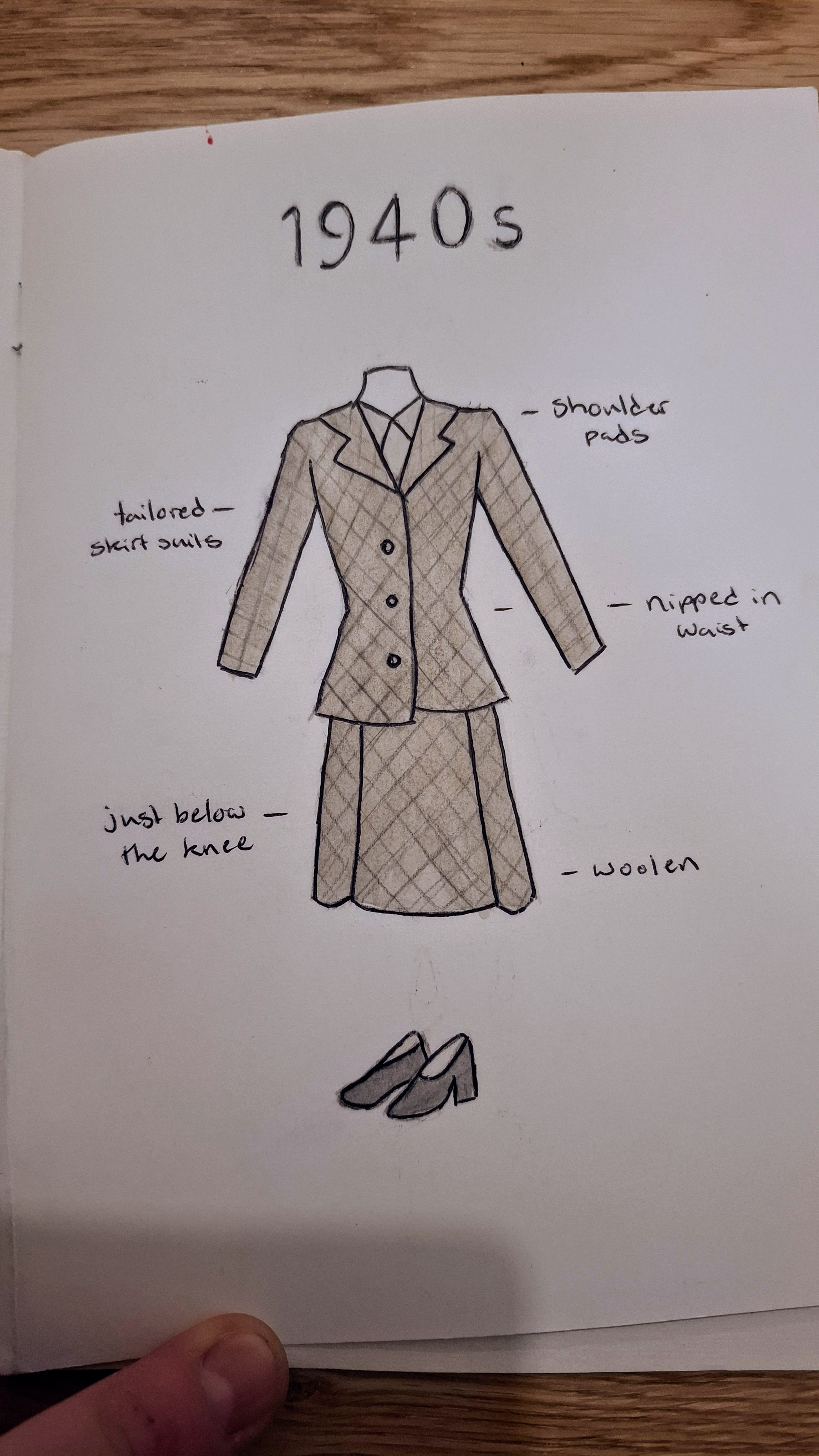
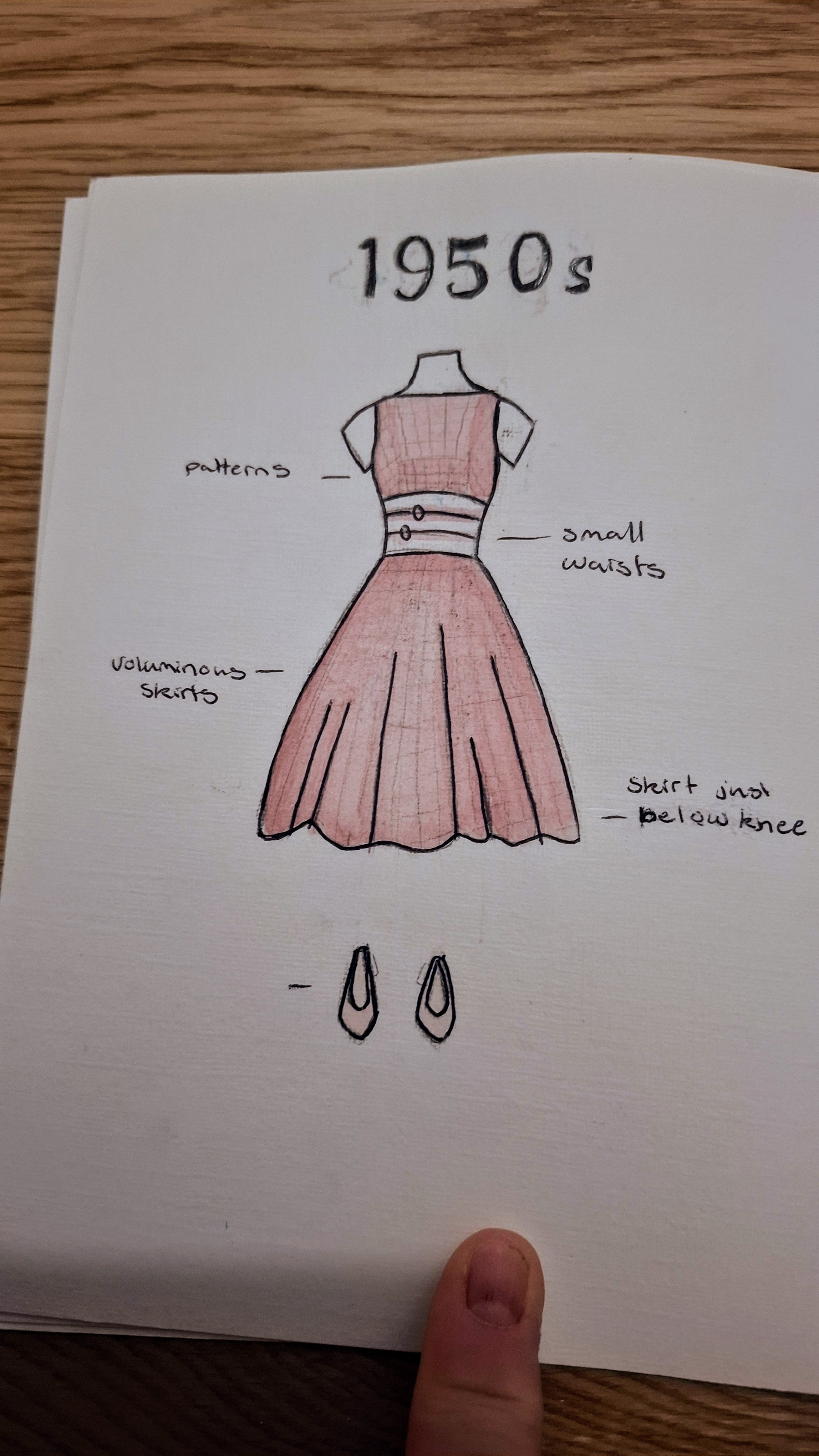
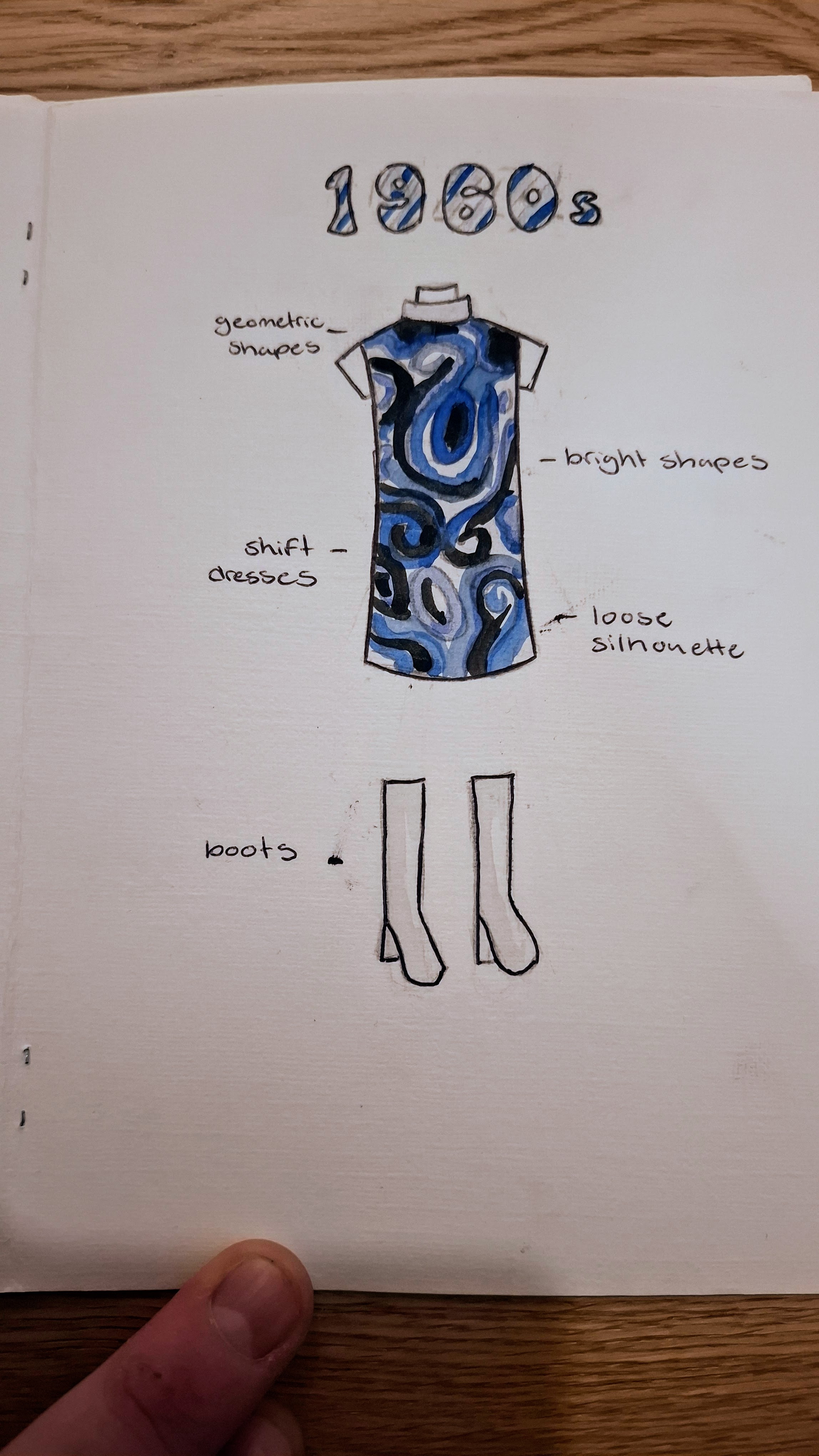
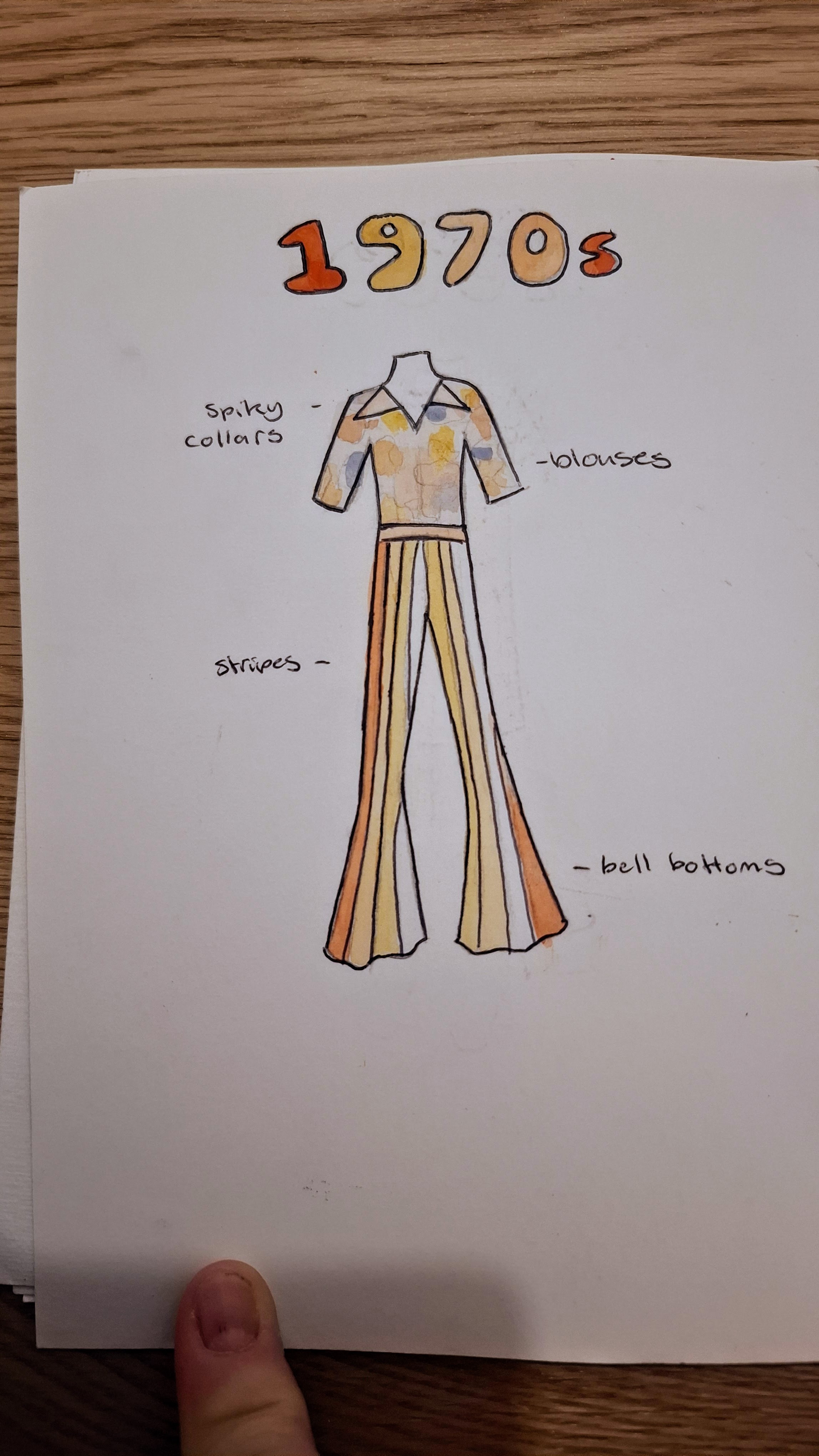
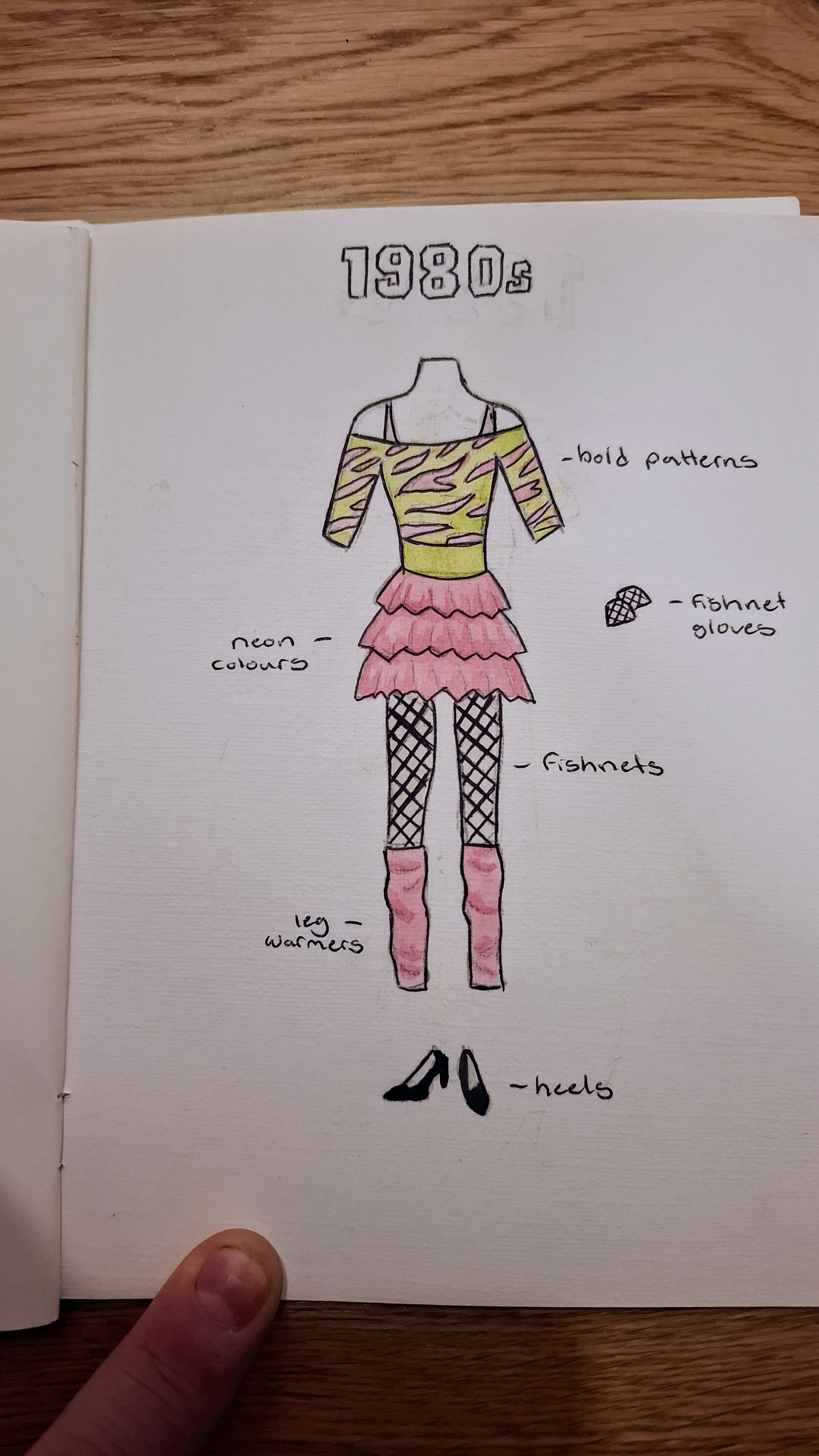
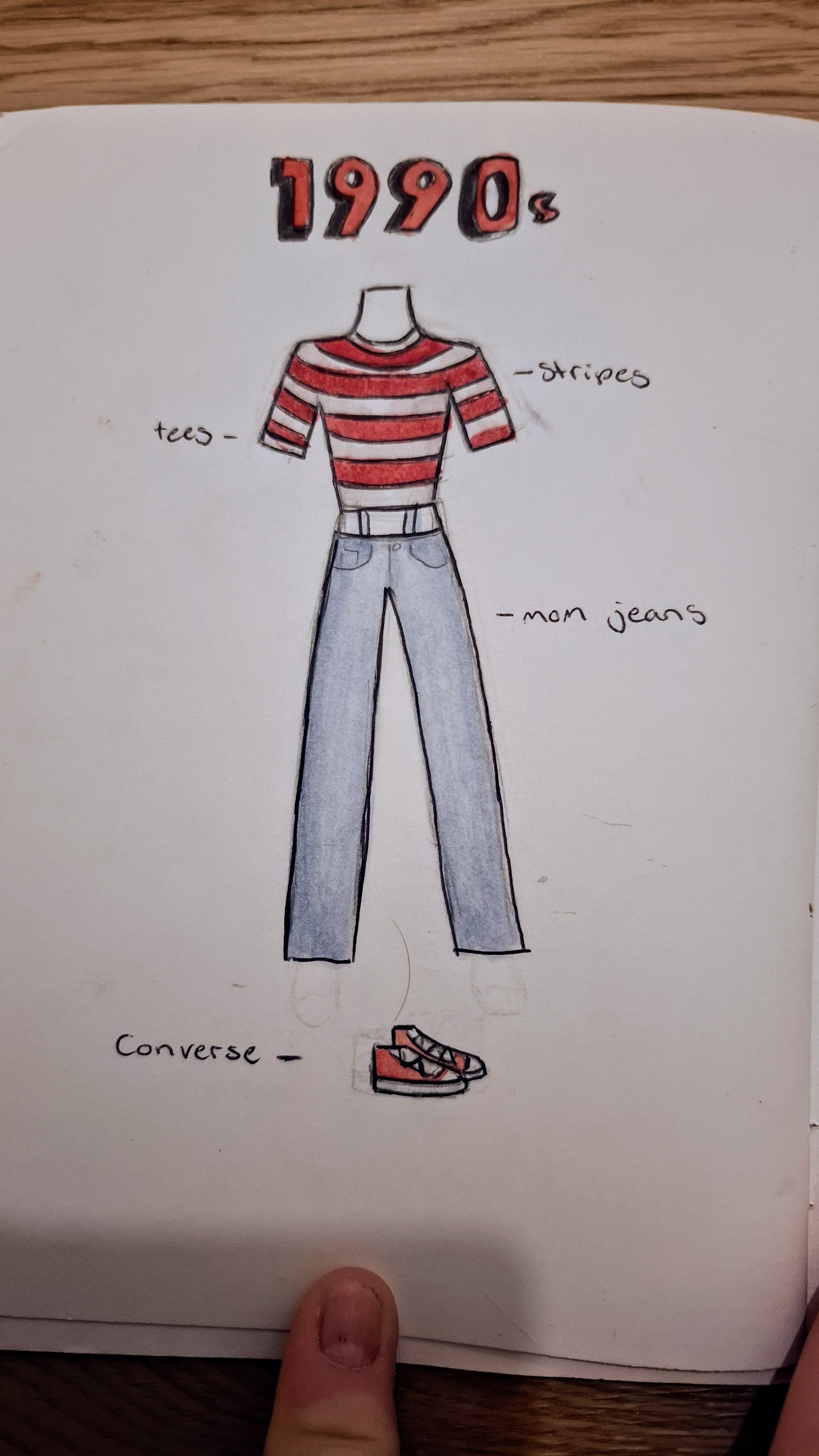
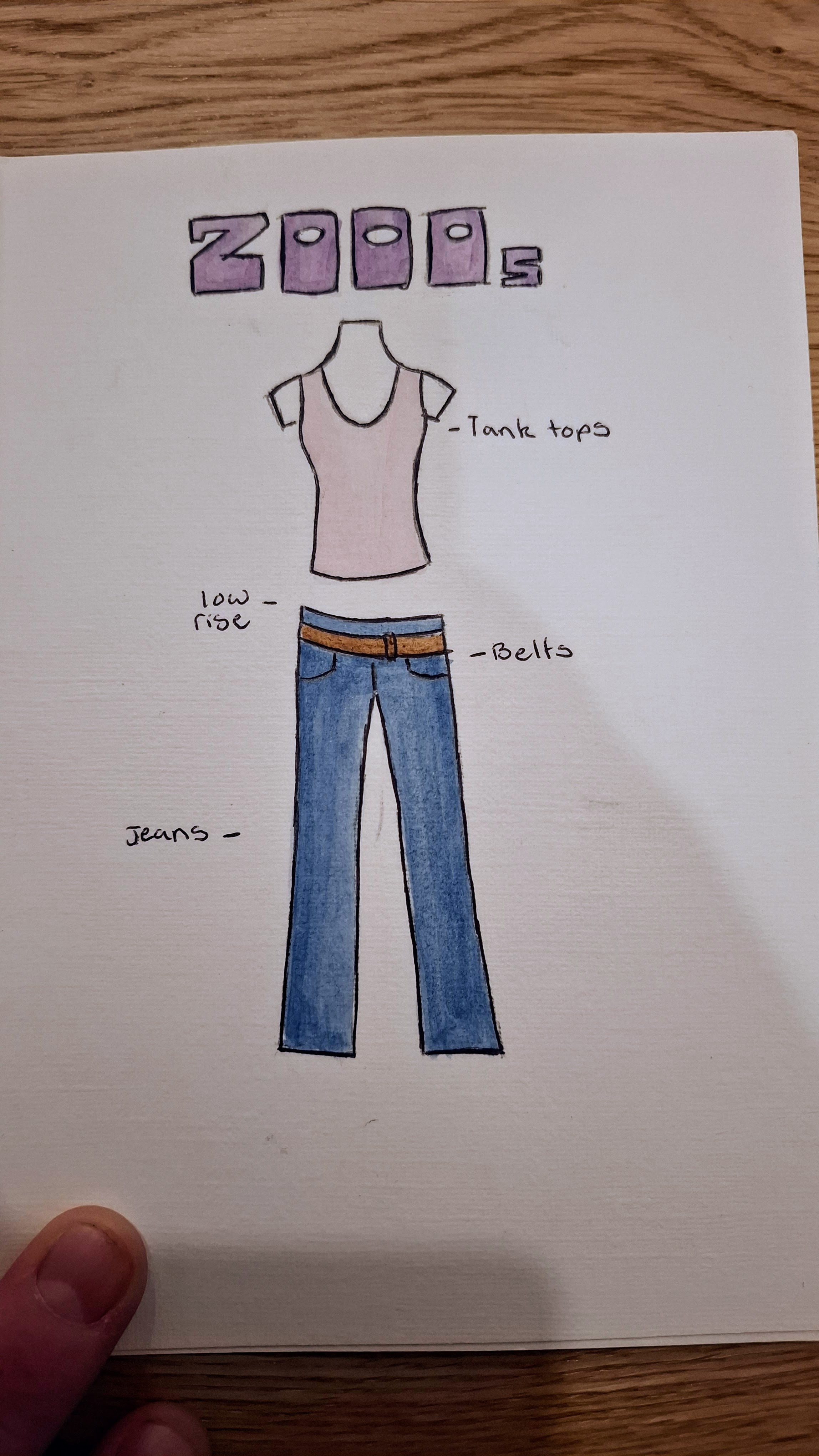
Women's Fashion Through the Years

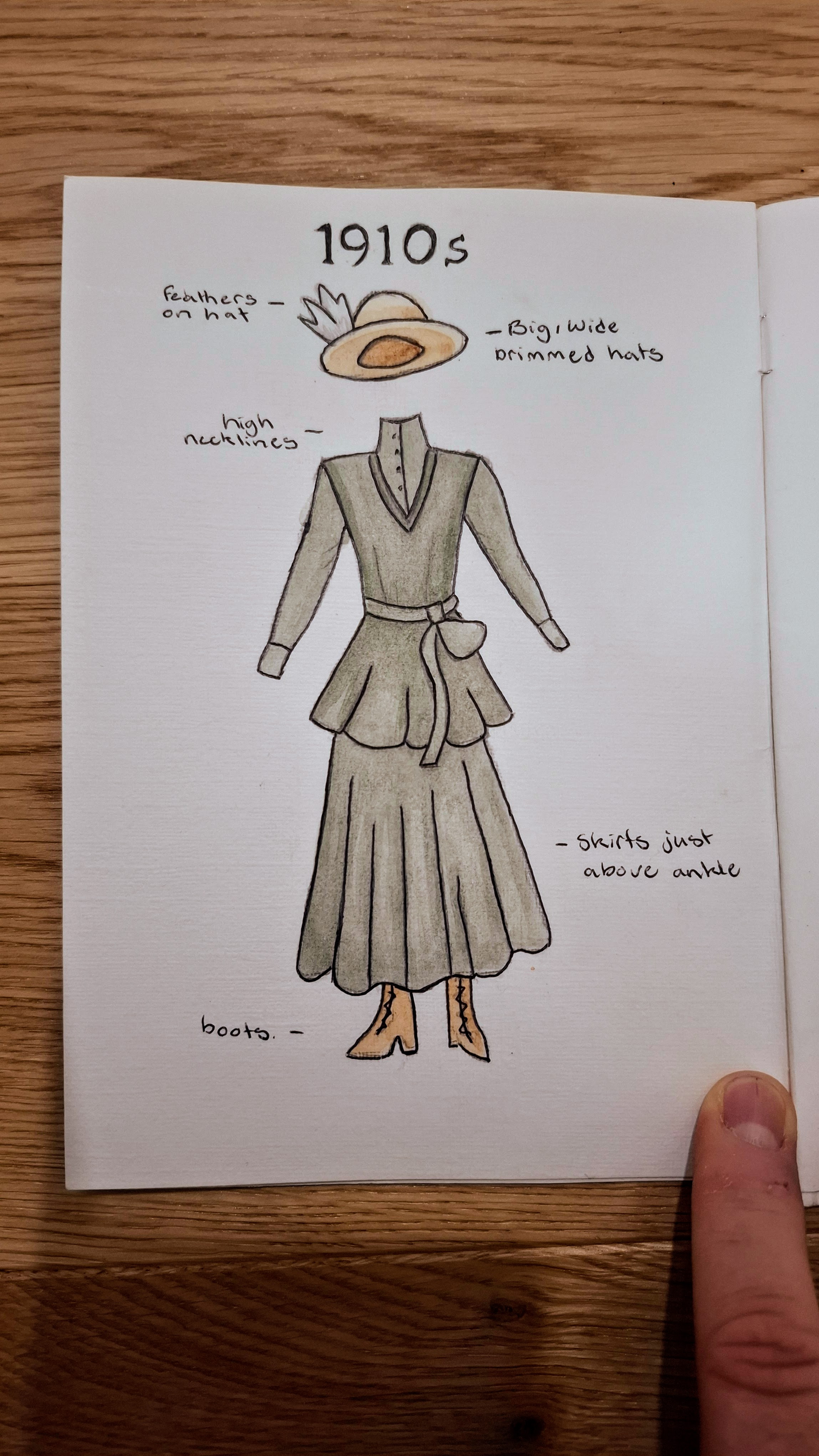
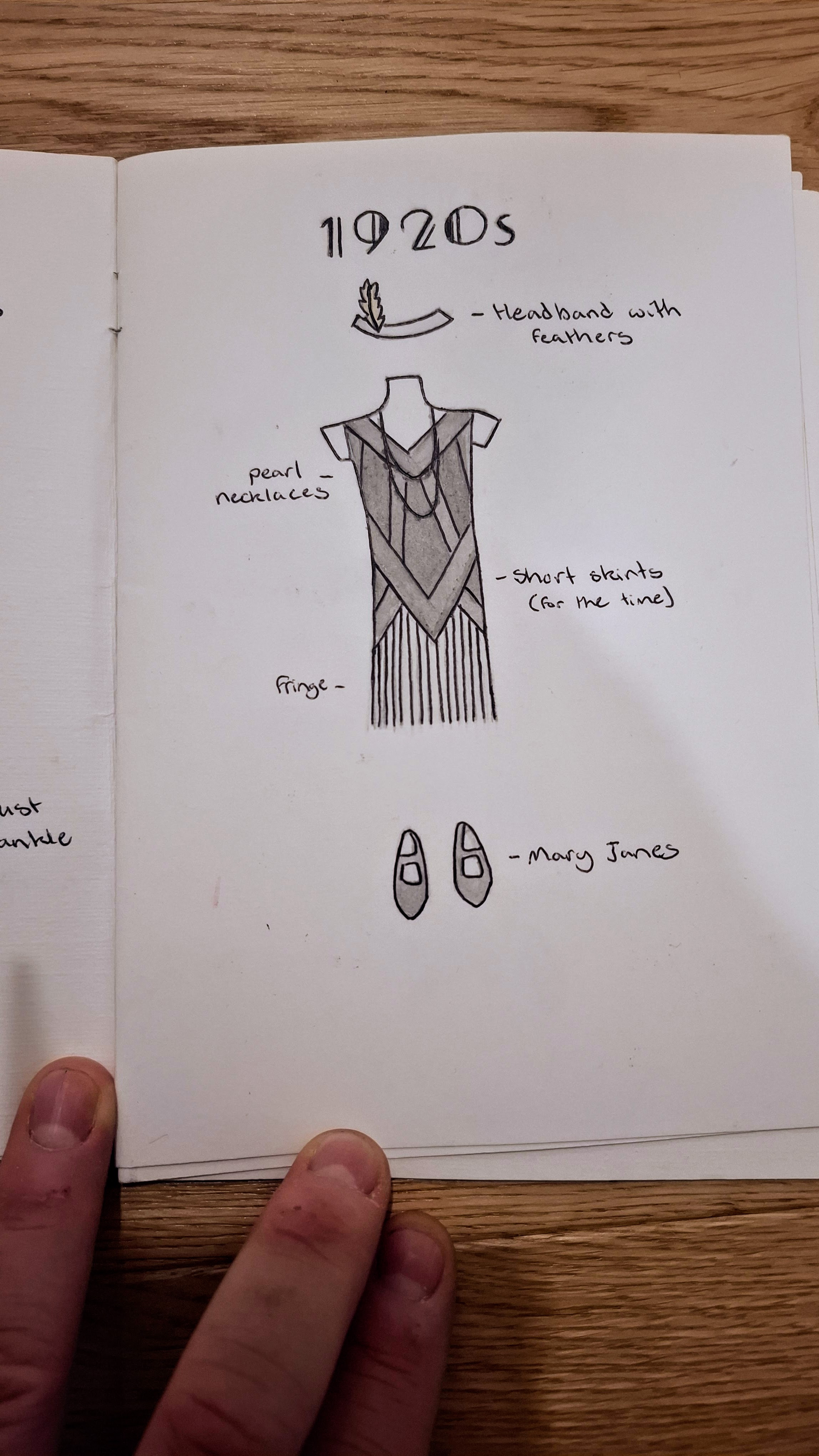
A hand-illustrated study in ink and watercolour — a century of women's fashion, decade by decade, from Edwardian silhouettes to Y2K low-rise.

Hand-drawn cover reading Women's Fashion Through the Years with an illustrated dress form
The coverInk on paper
1910s fashion illustration: high necklines, wide-brimmed feathered hats
1910sWide hats · high necklines
1920s fashion illustration: fringed flapper dress, pearls
1920sFringe · flapper · pearls
1930s fashion illustration: puffed sleeves, frills, gloves
1930sPuffed sleeves · gloves
1940s fashion illustration: tailored wool skirt suit with shoulder pads
1940sTailored suits
1950s fashion illustration: small waist and voluminous skirt
1950sSmall waists · full skirts
1960s fashion illustration: geometric-print shift dress with boots
1960sShift dresses
1970s fashion illustration: patterned blouse and striped bell-bottoms
1970sBell bottoms
1980s fashion illustration: neon top, ruffled skirt, fishnets
1980sNeon · fishnets
1990s fashion illustration: striped tee, mom jeans and Converse
1990sMom jeans · Converse
2000s fashion illustration: tank top with low-rise bootcut jeans
2000sLow-rise jeans

…and made to wear

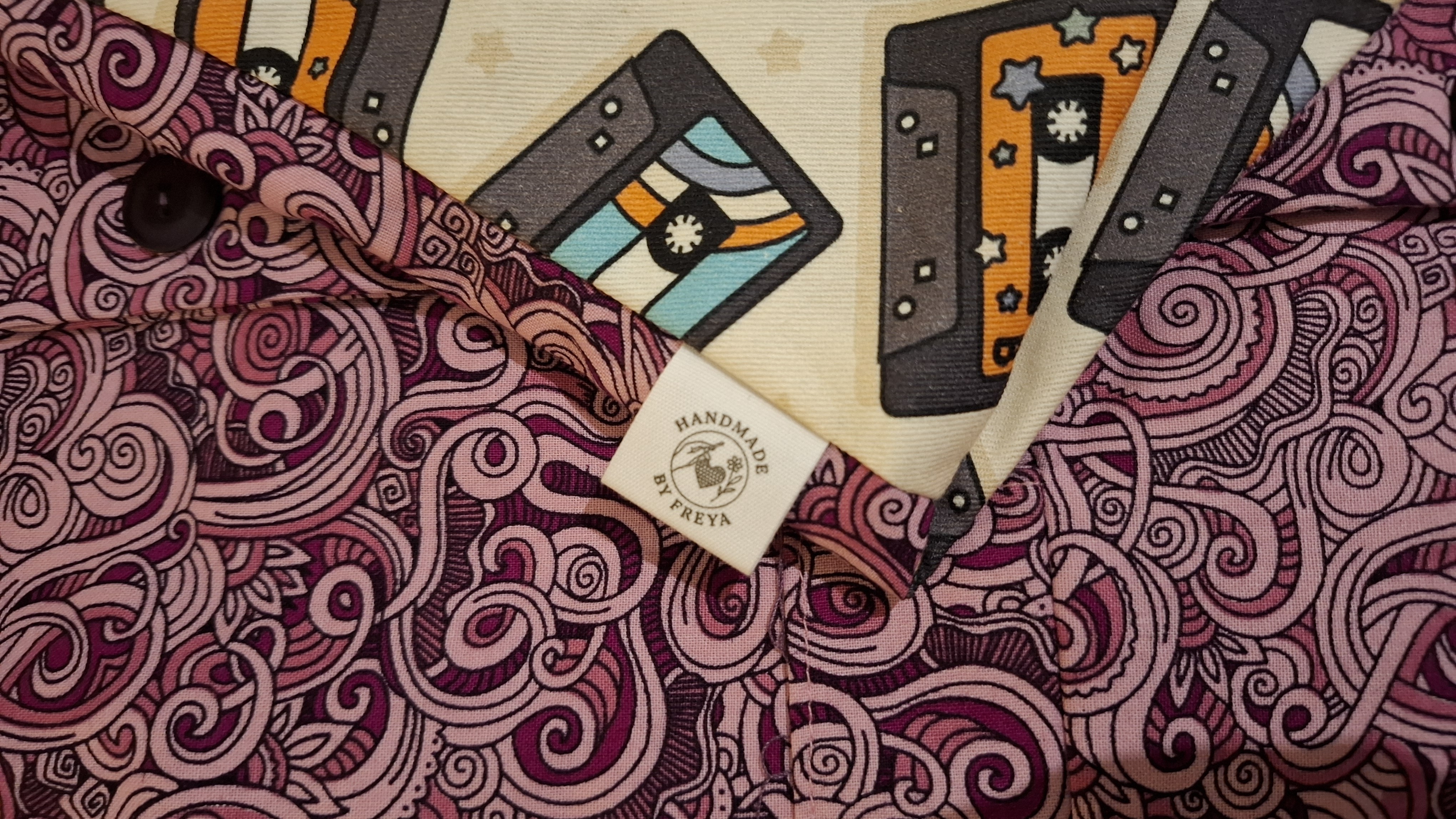
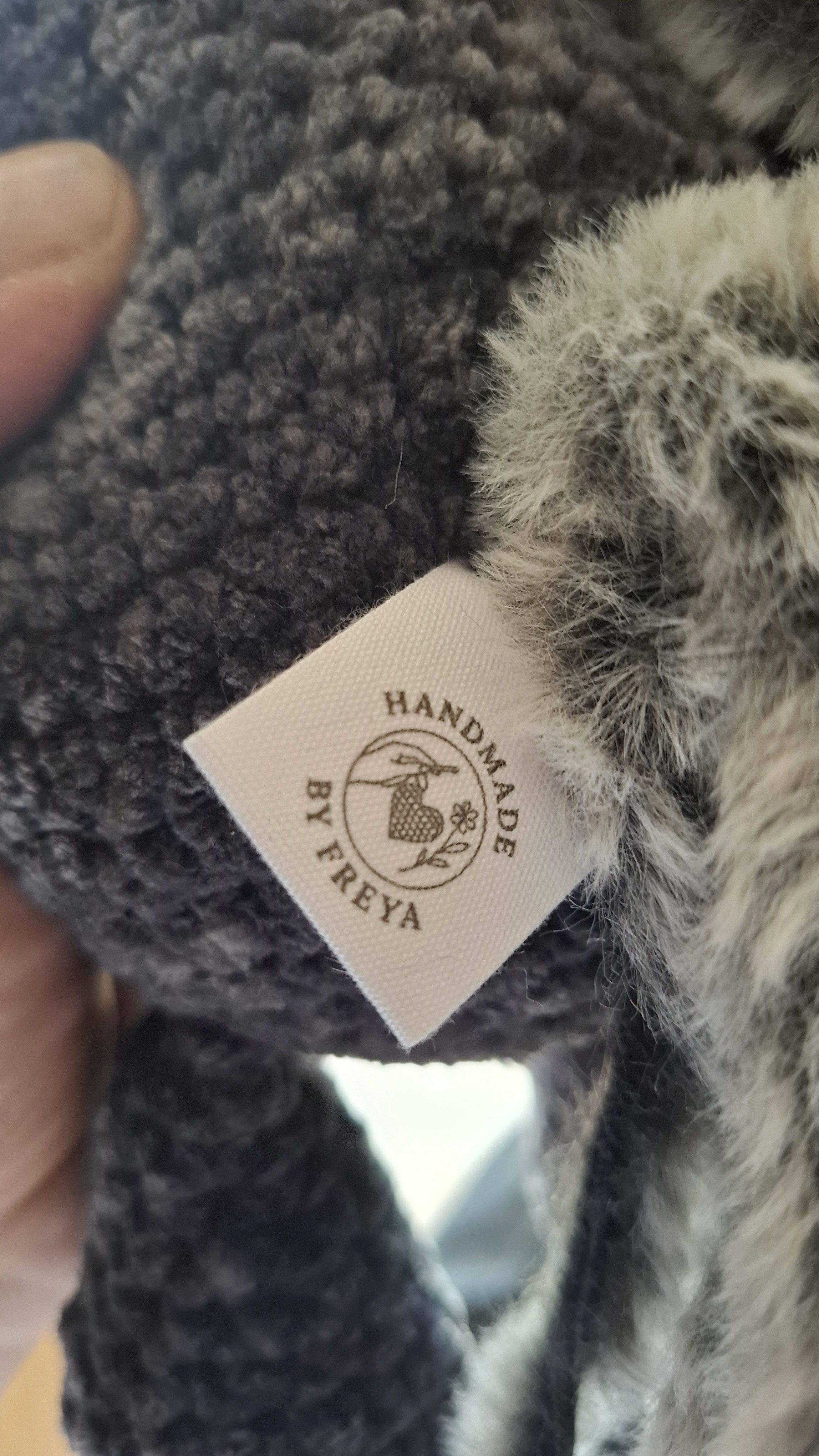
Fashion doesn't stop at the page — I sew and crochet wearable pieces too, each finished with my own woven label. More textiles in Sewing and Crochet.

Hand Made By Freya

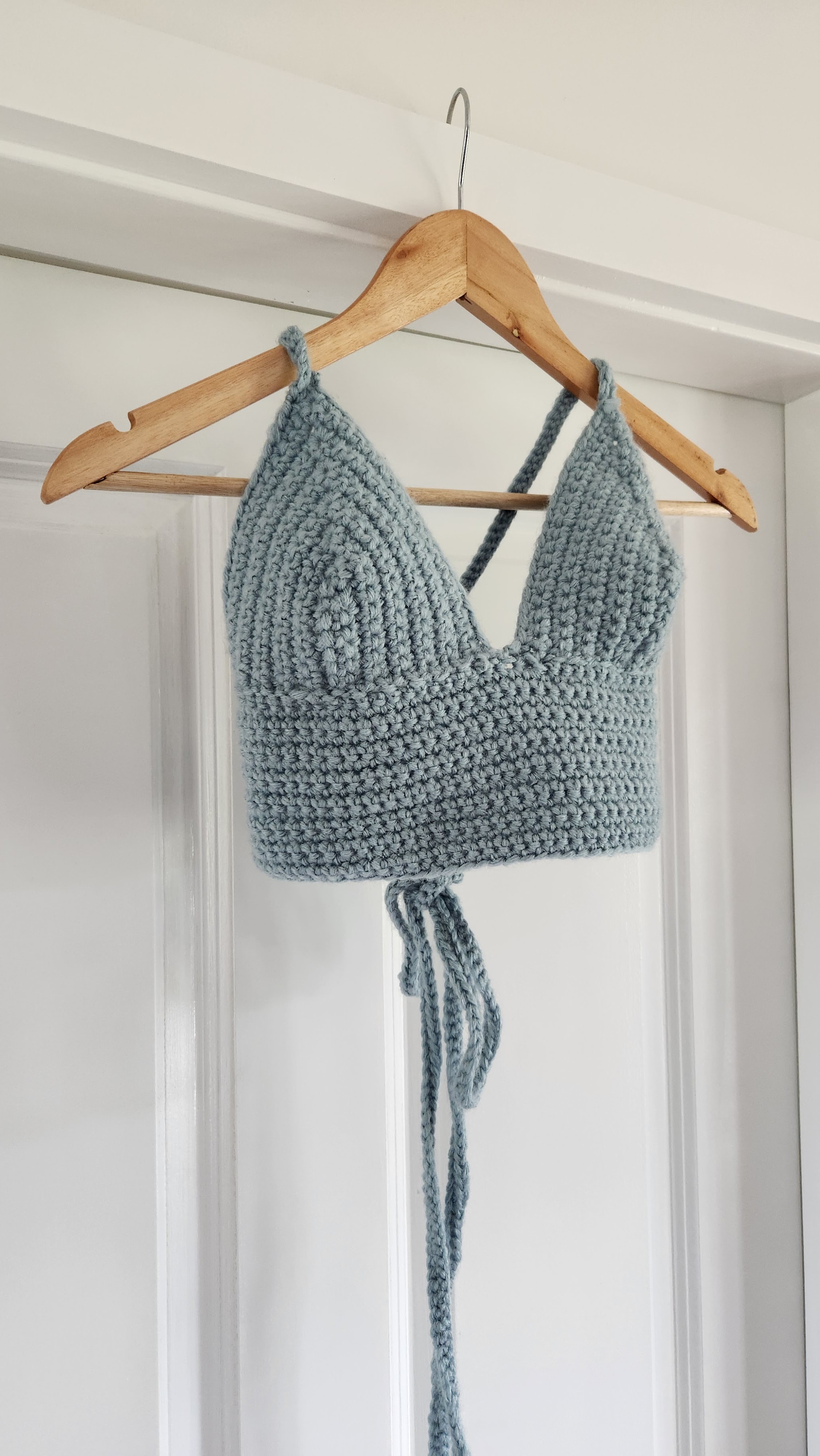
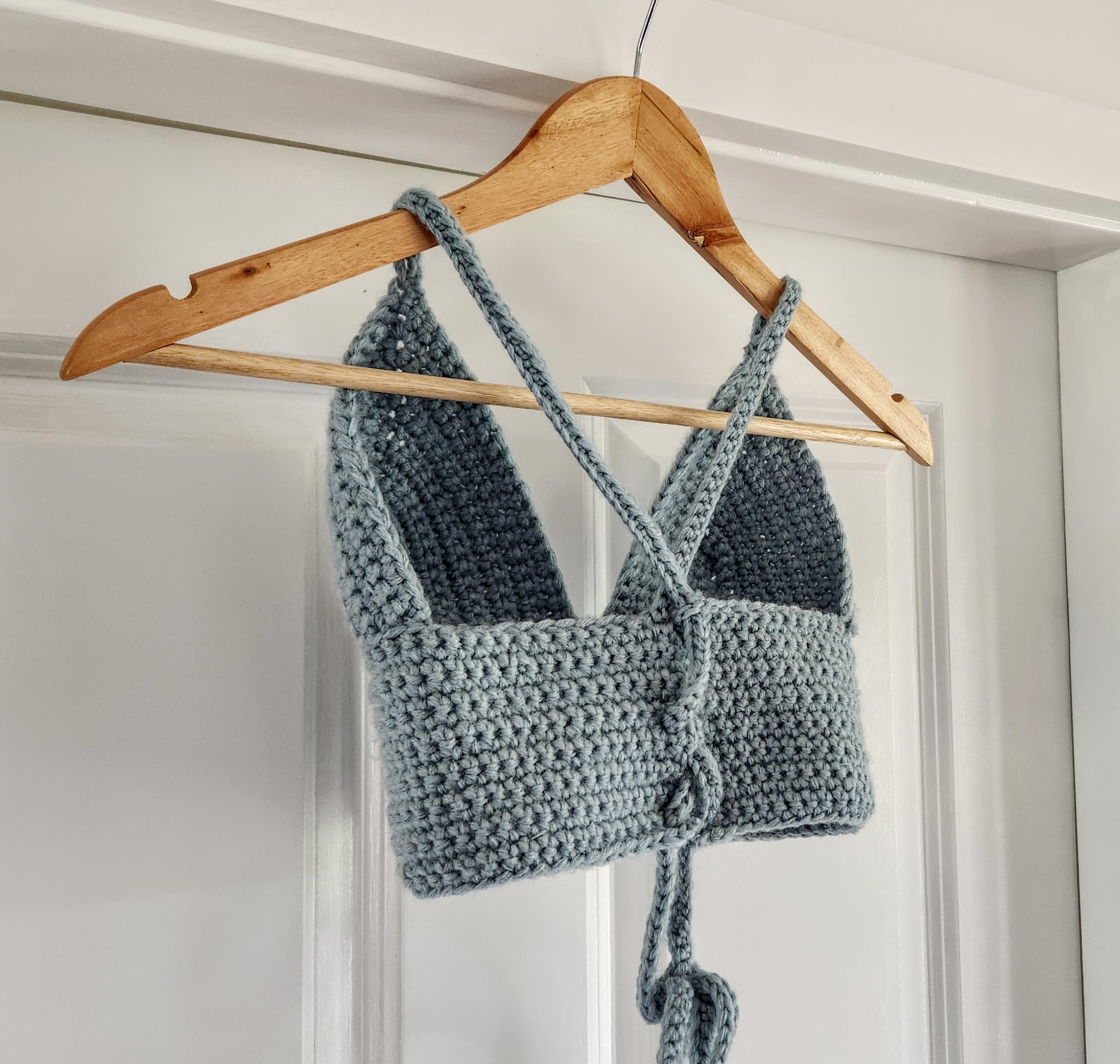
Crochet & amigurumi.

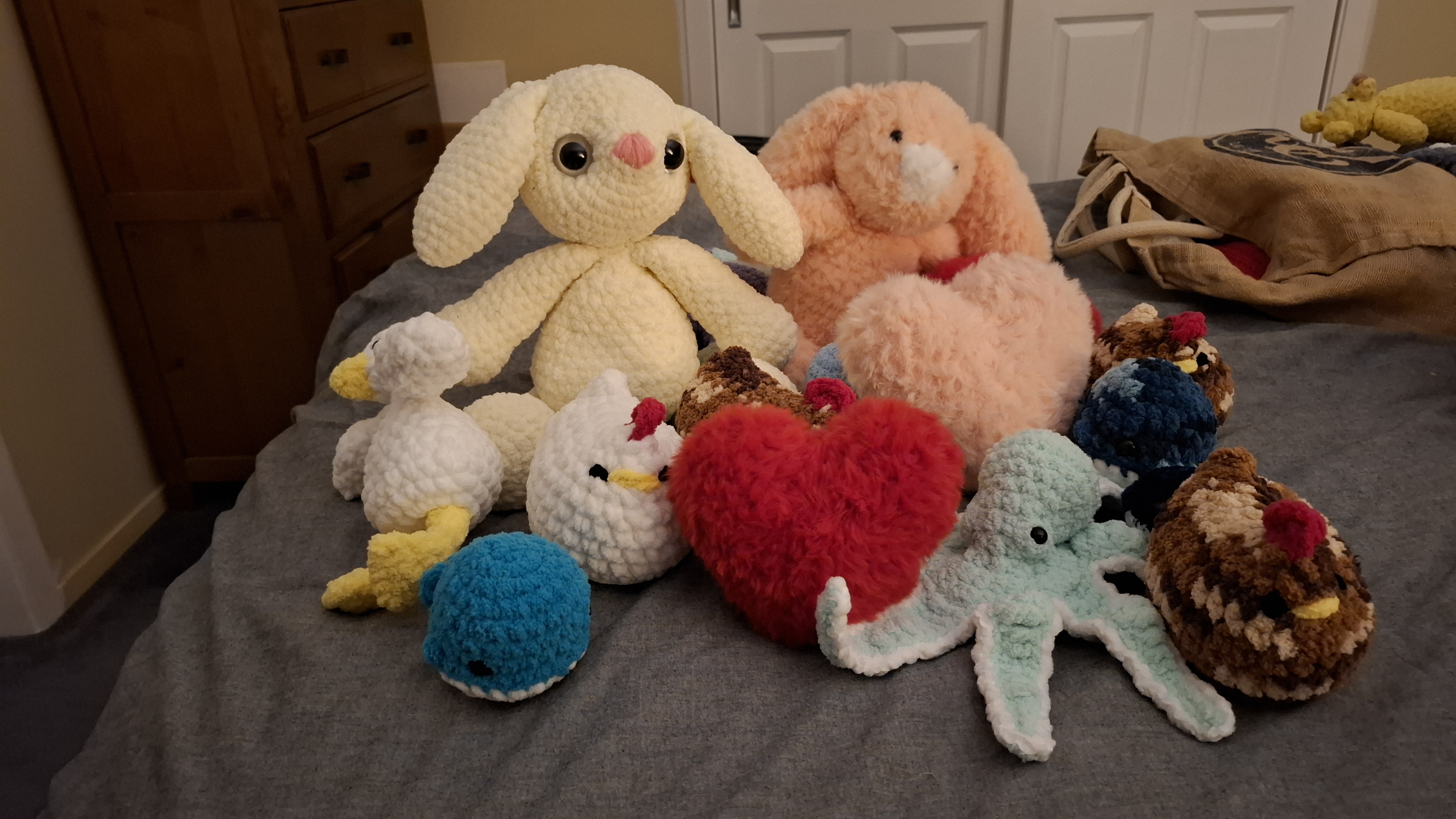
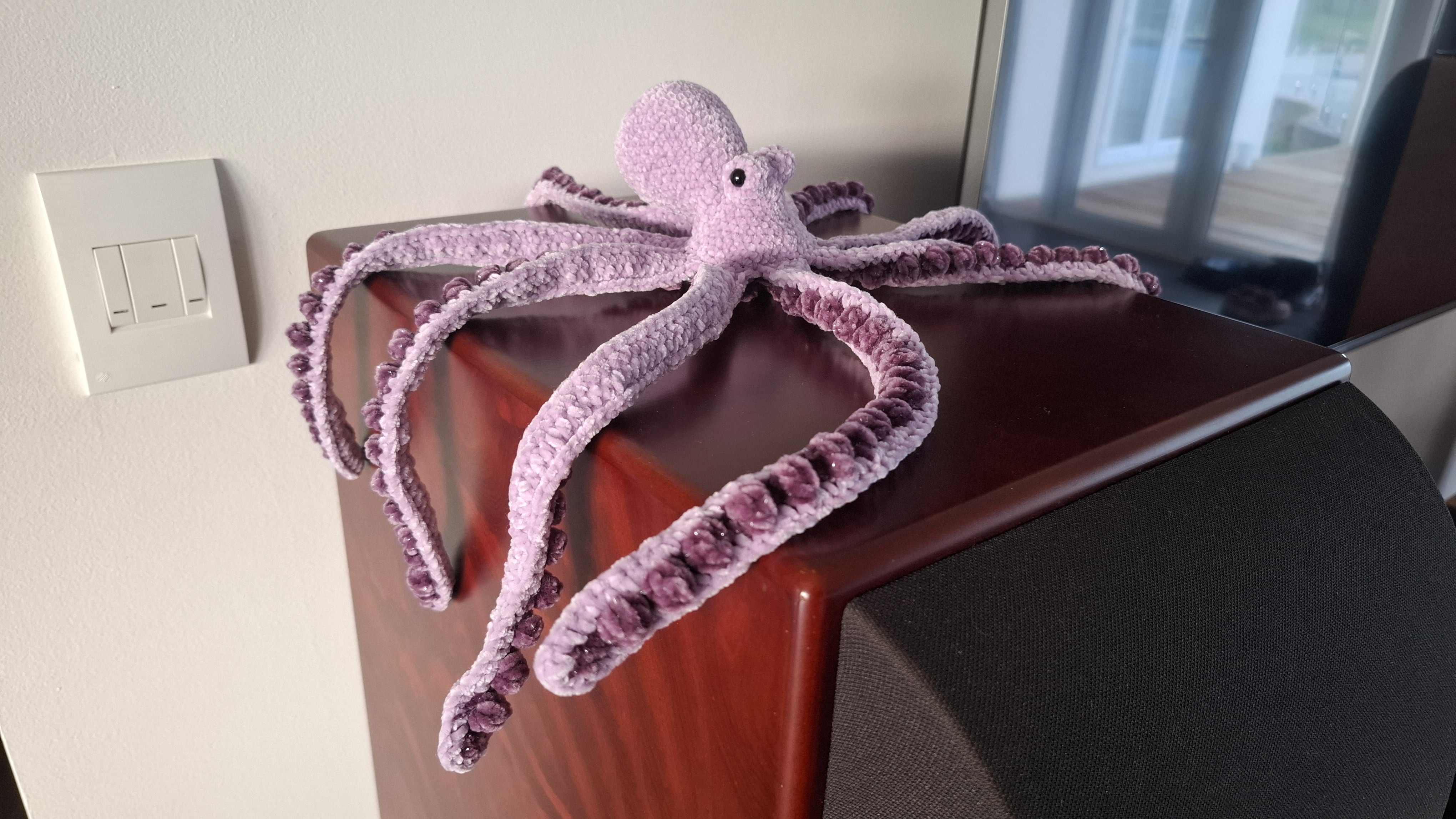
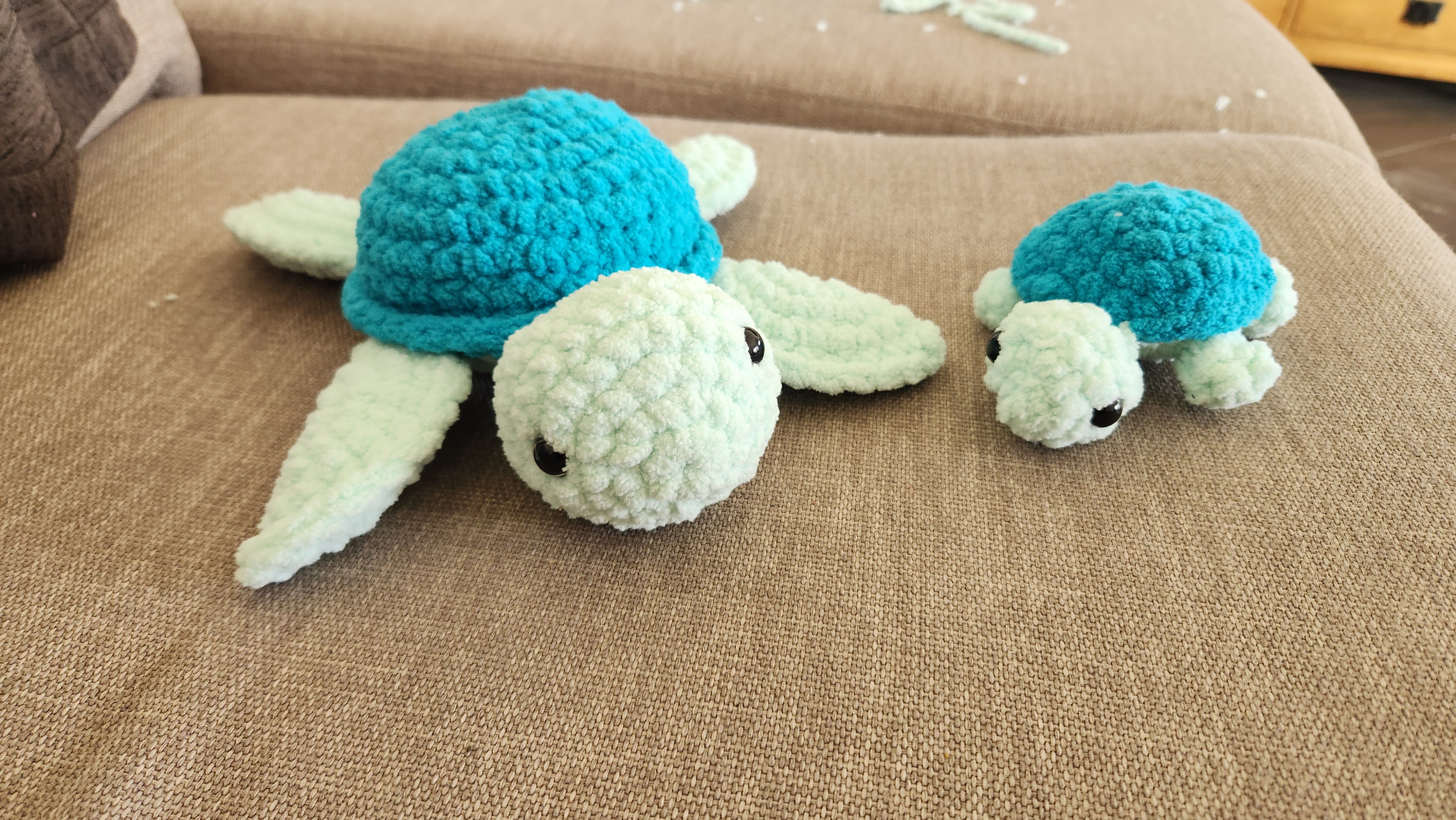
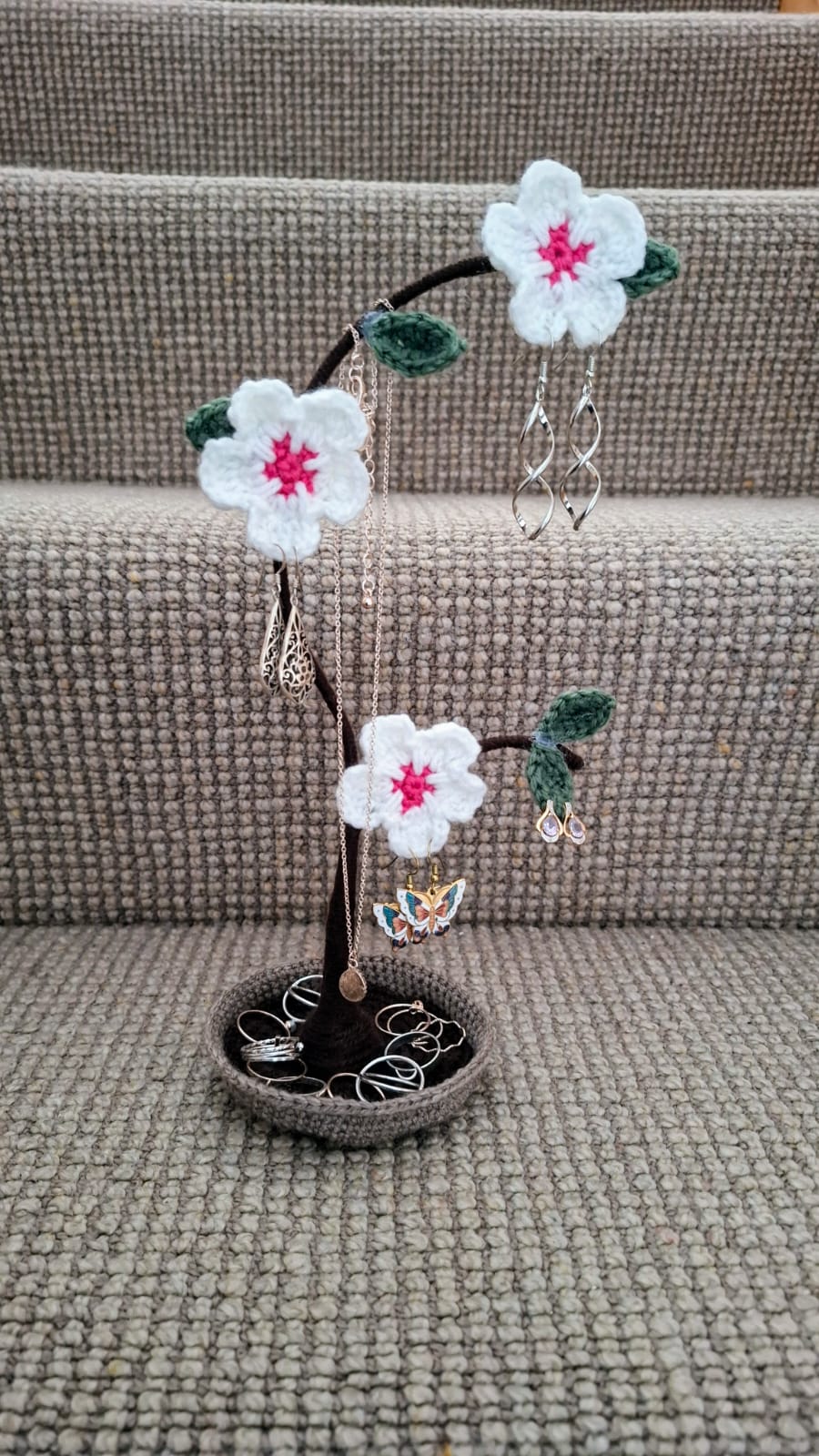
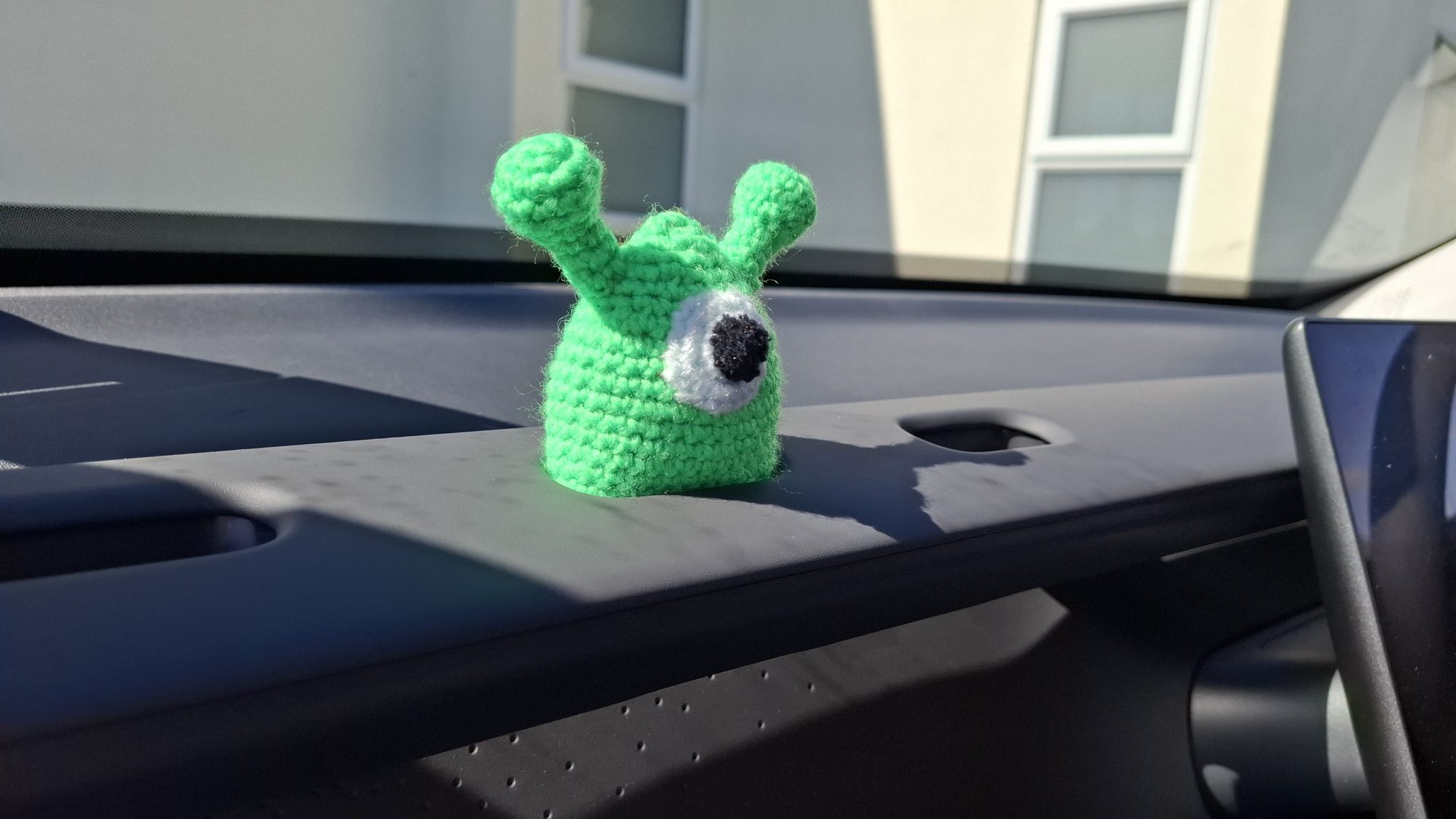
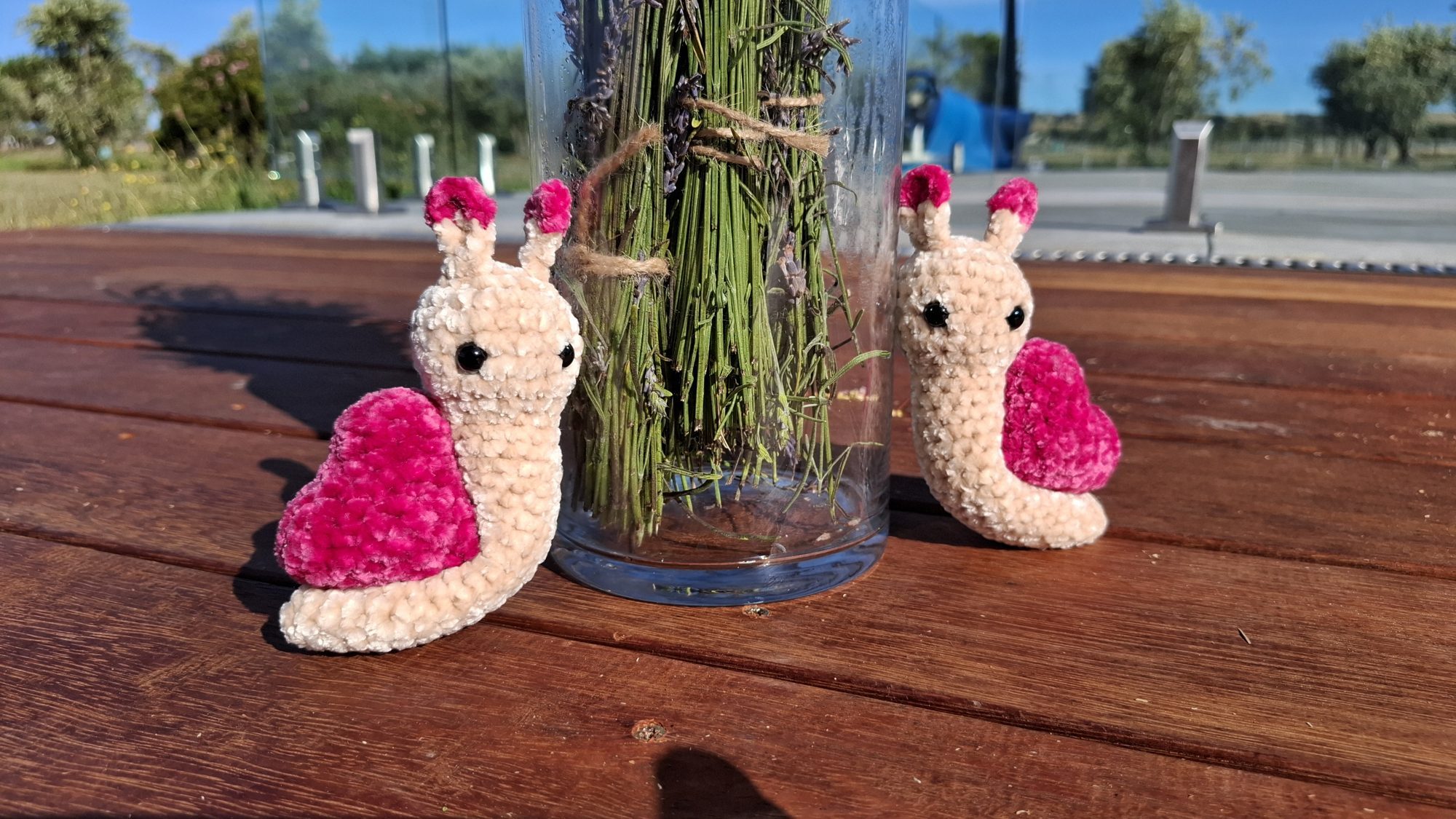
My crochet label — every piece designed and made by hand, sold at markets and through Ranui Essentials. Filter by type, and tap any image to see it larger.

Sewing & Appliqué

Needle, thread & patience.

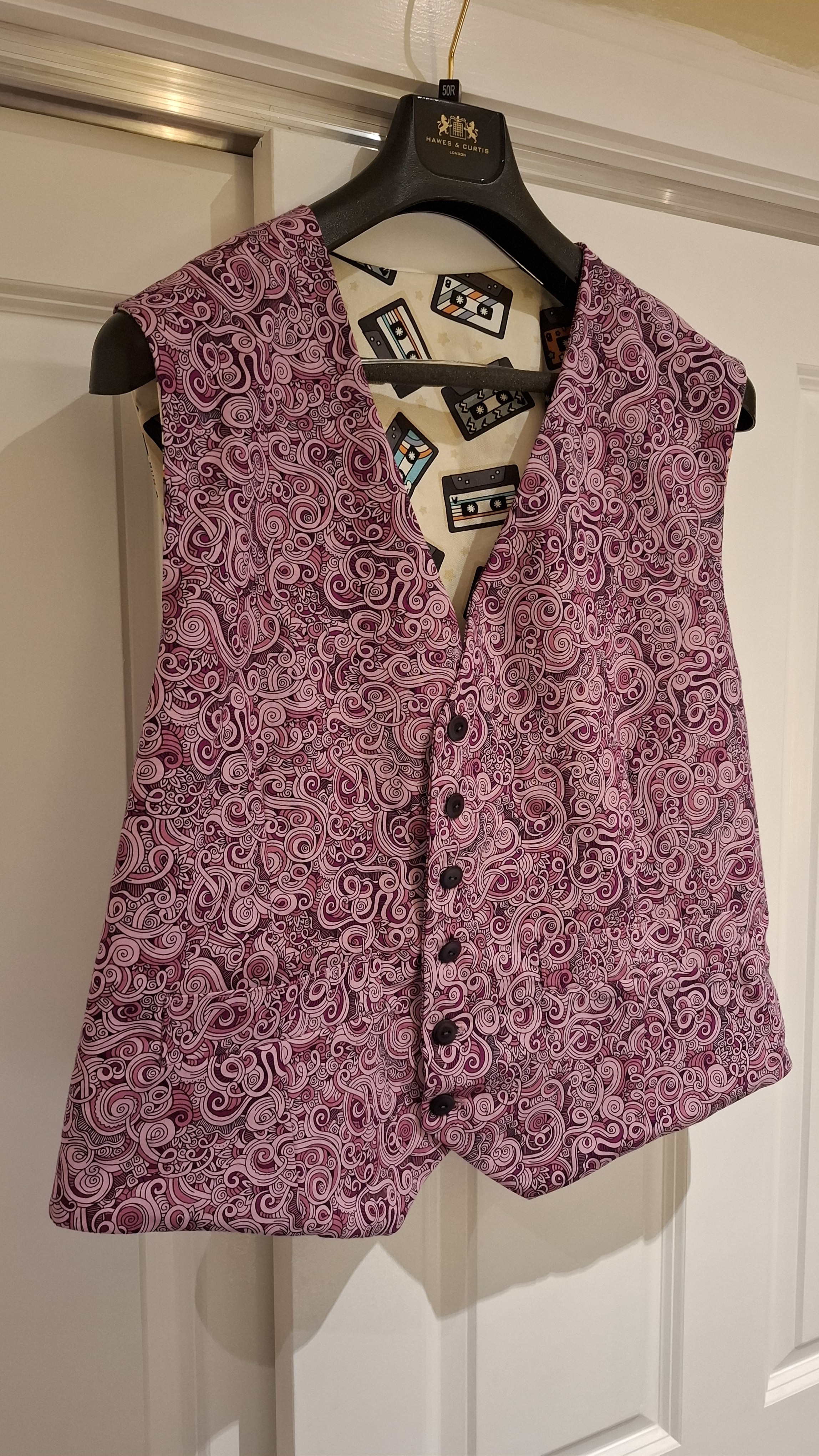
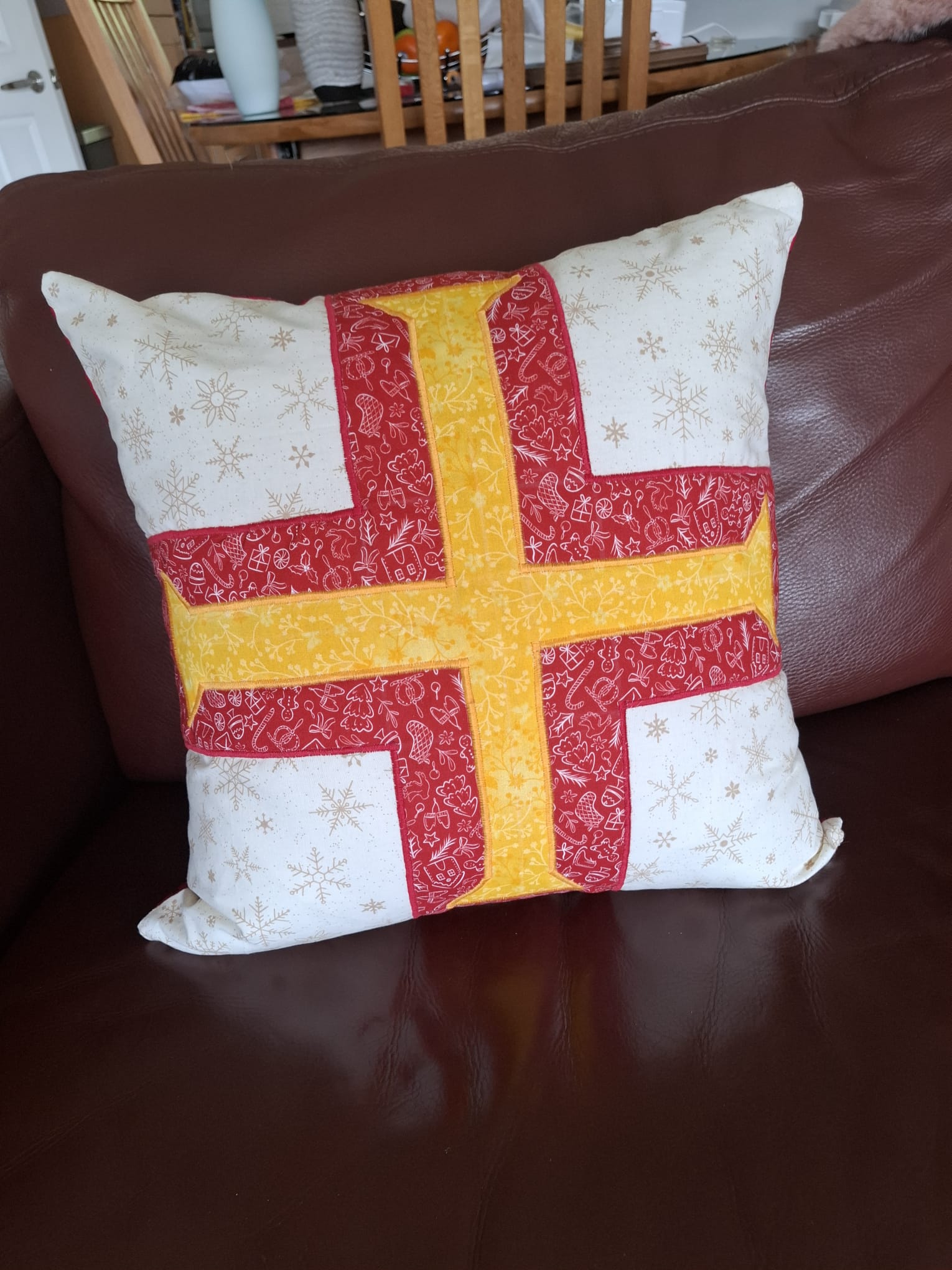
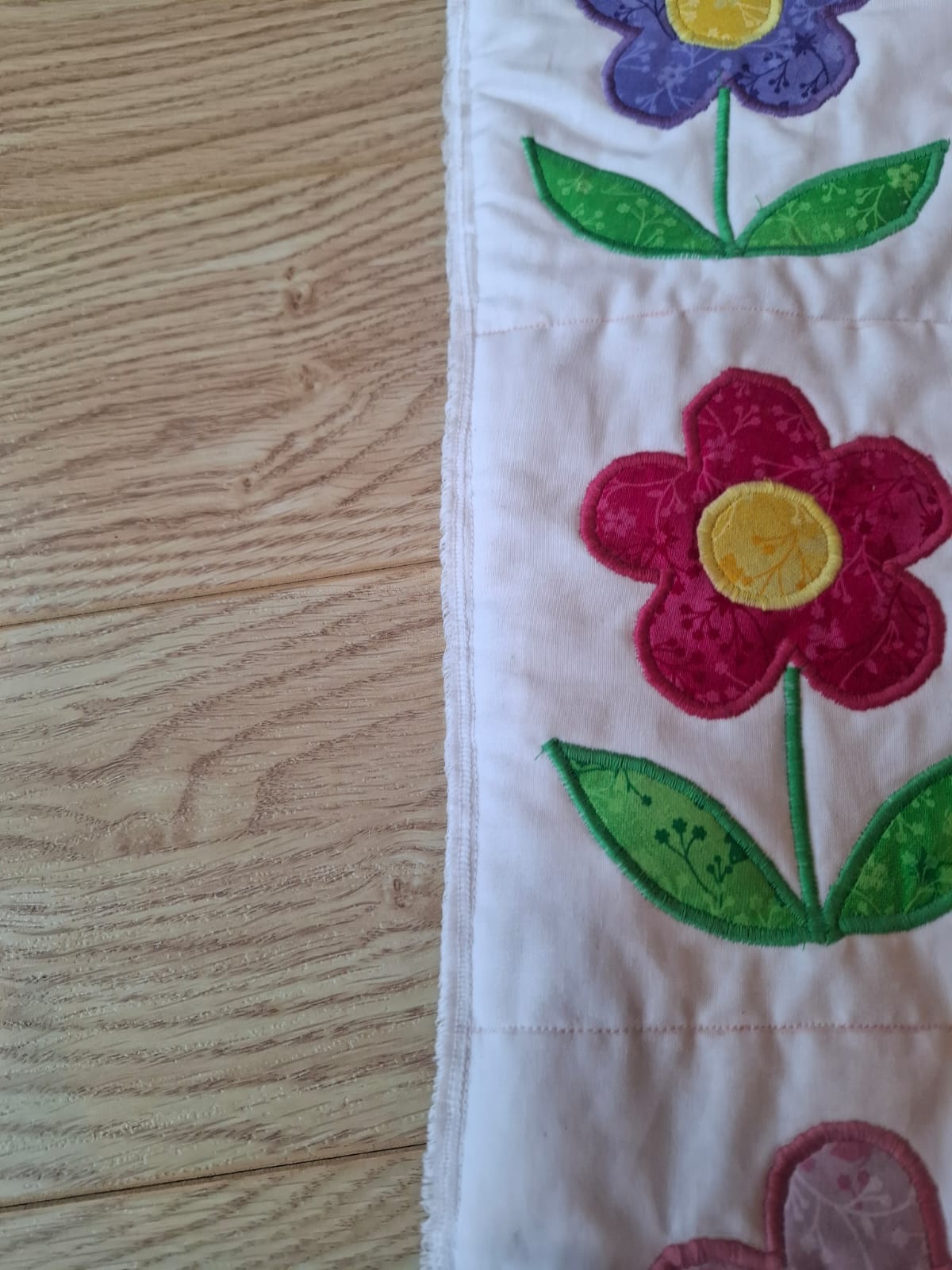
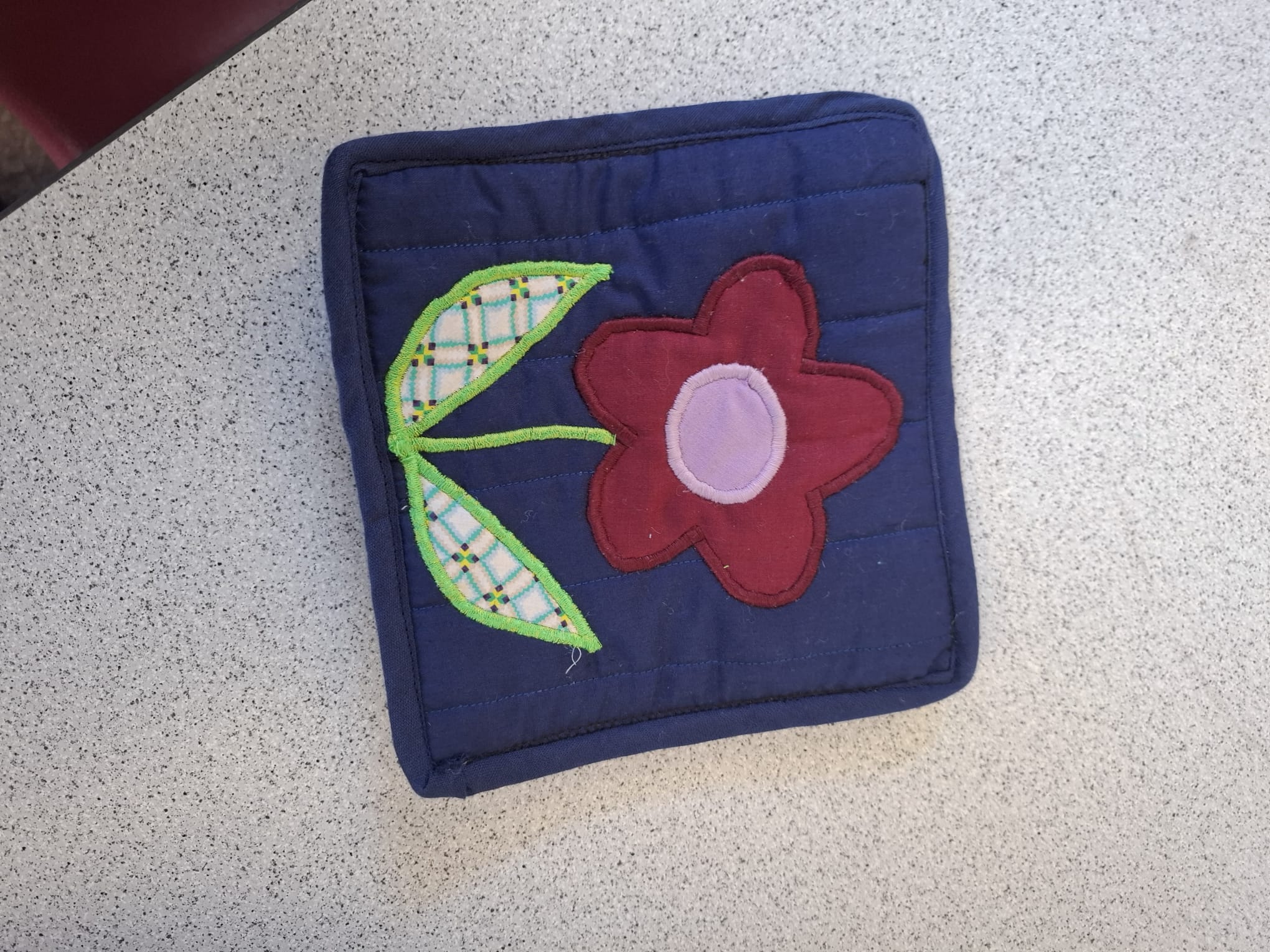
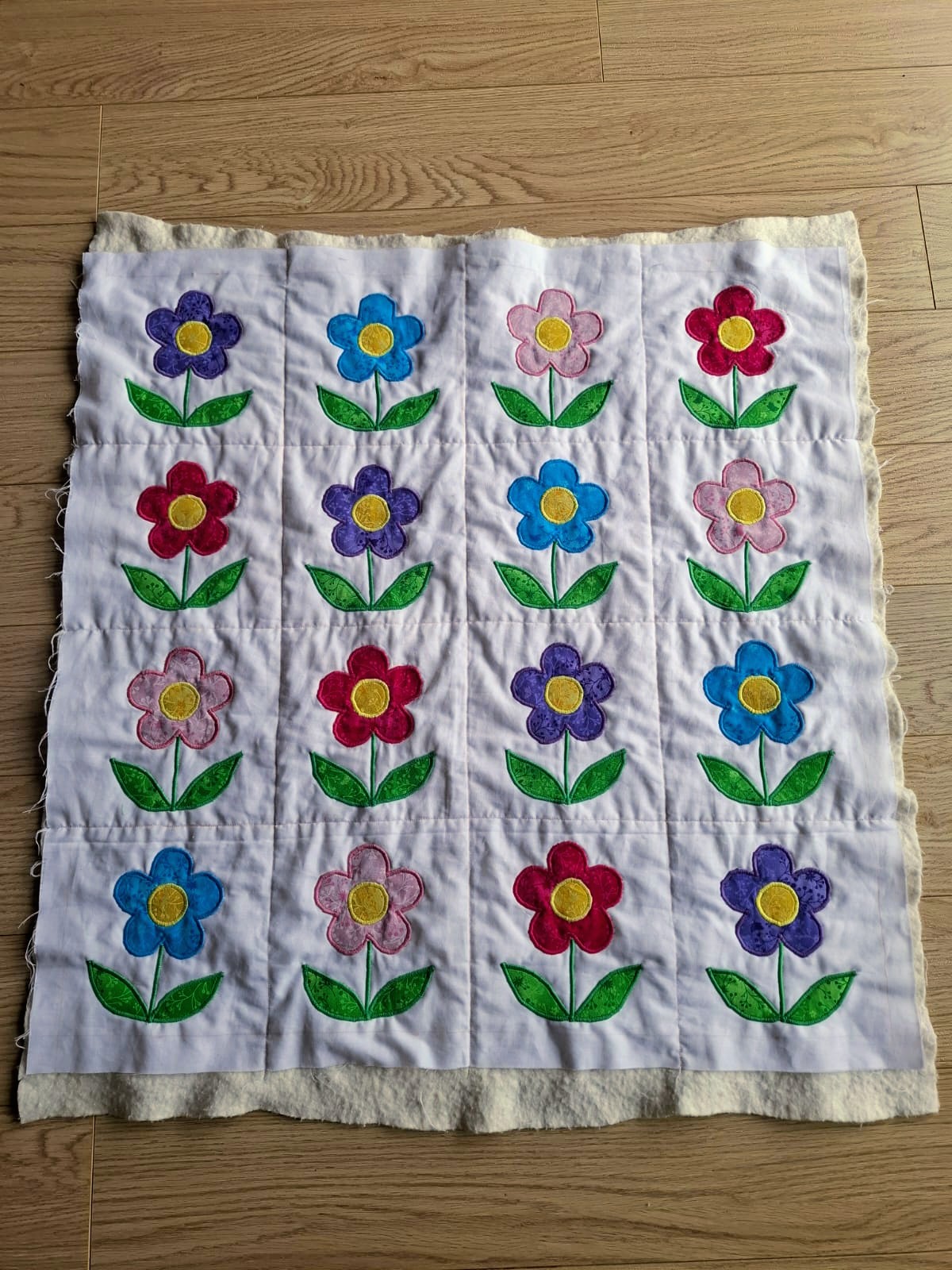
Quilting, appliqué and garment-making — including a floral blanket for a neonatal unit, a Guernsey flag cushion, and a tailored waistcoat whose welt pockets were a real sewing challenge to get perfect. Tap any image to see it larger.

Art

Paint, charcoal & colour.

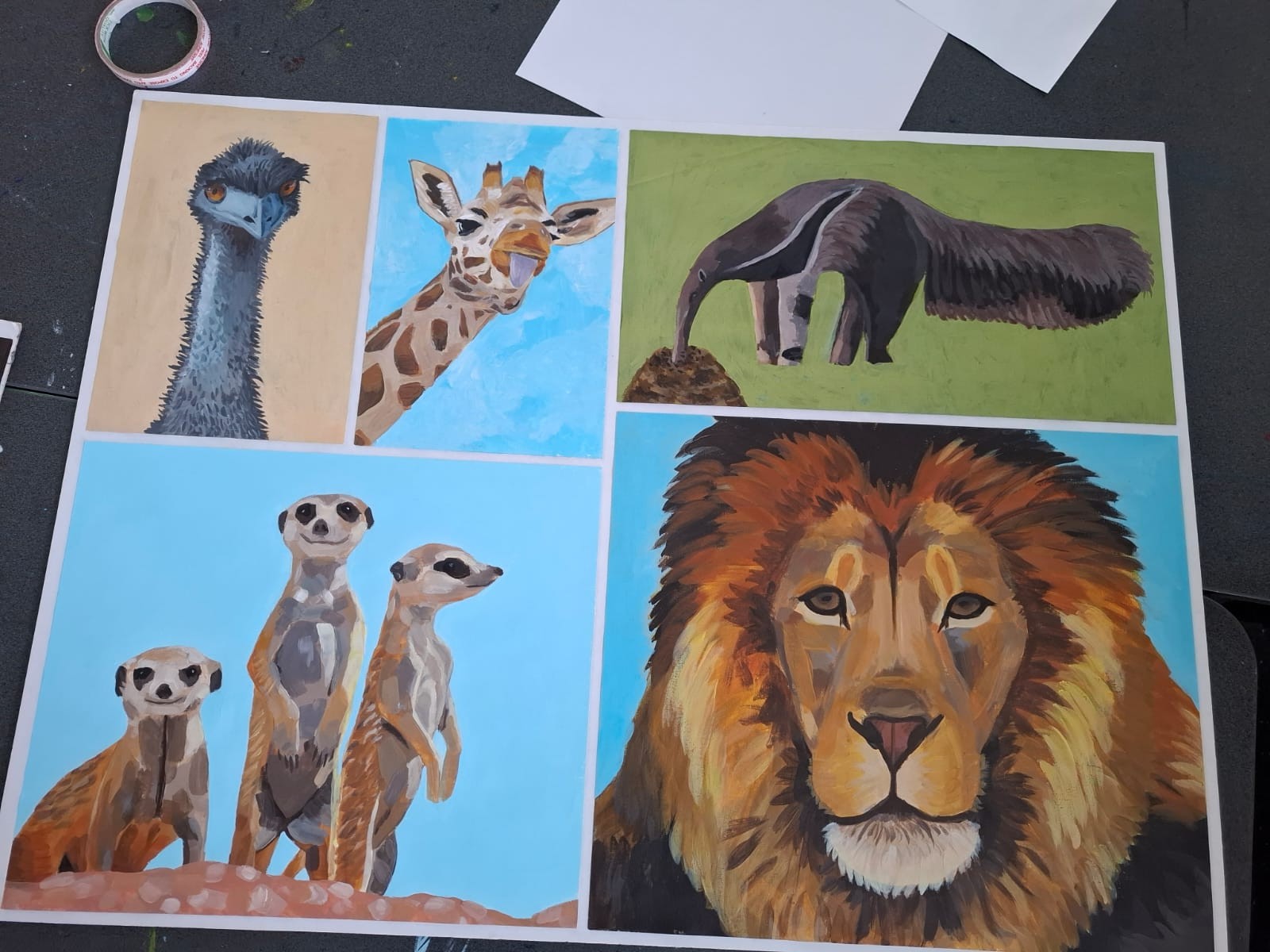
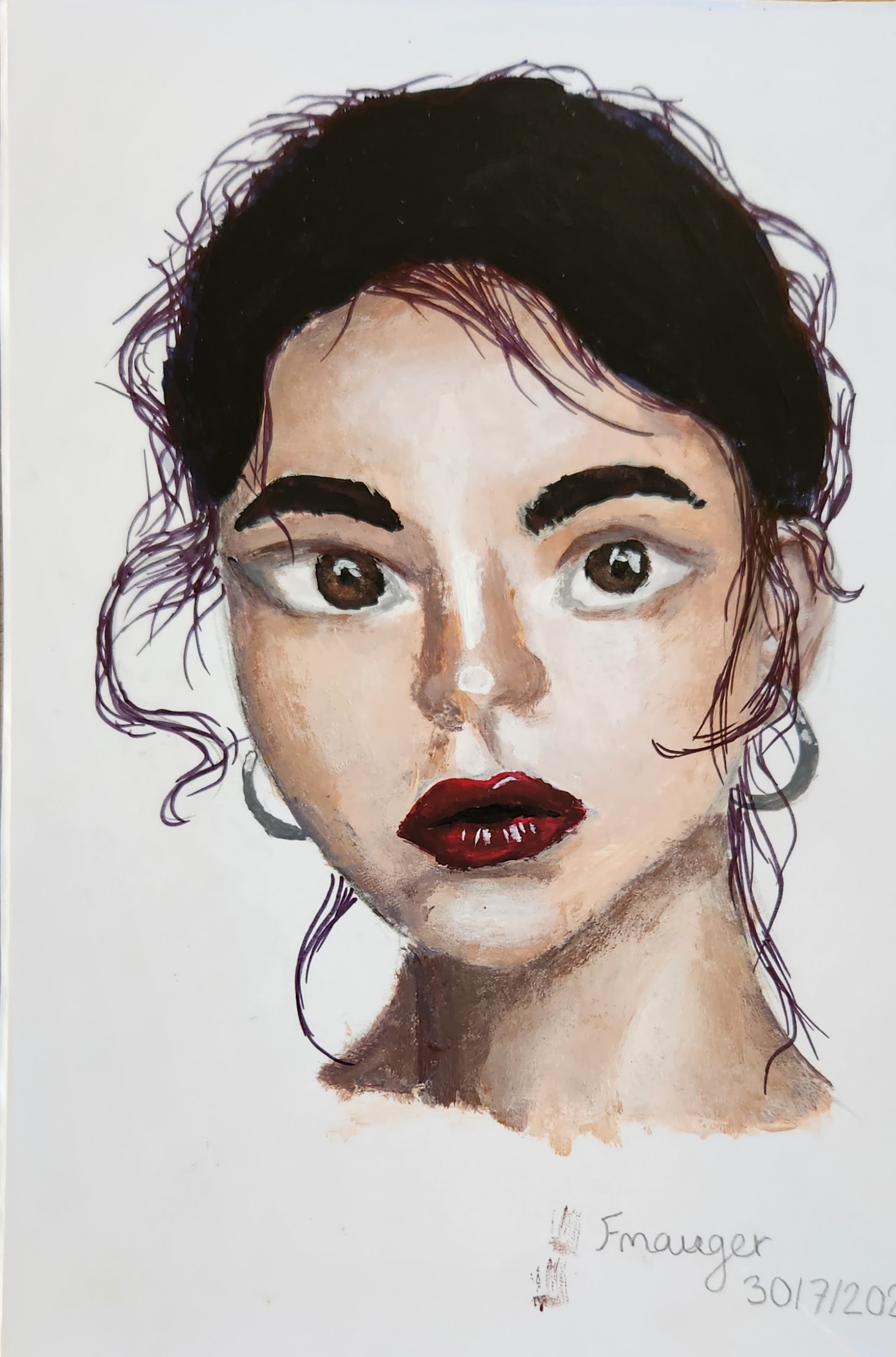
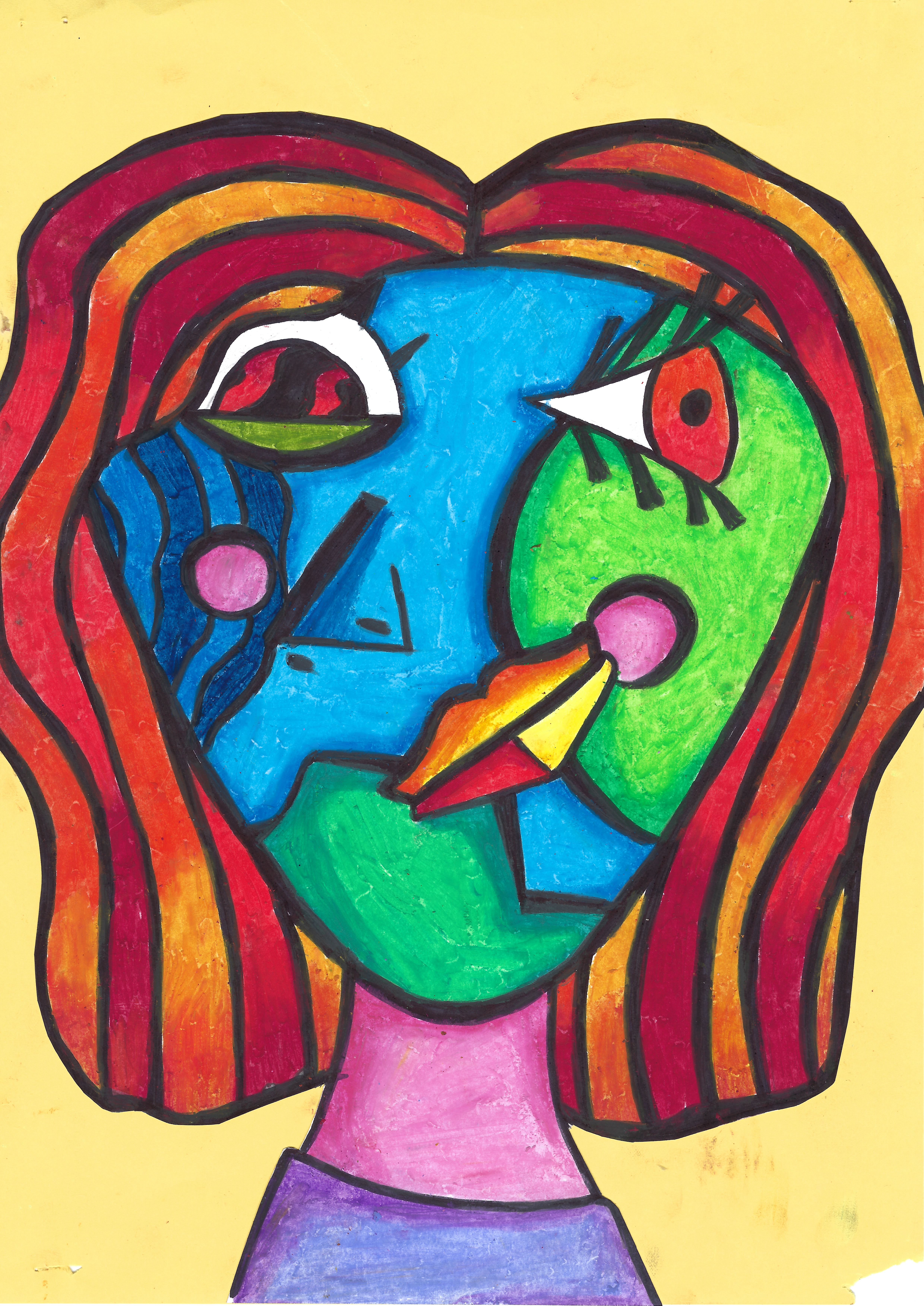
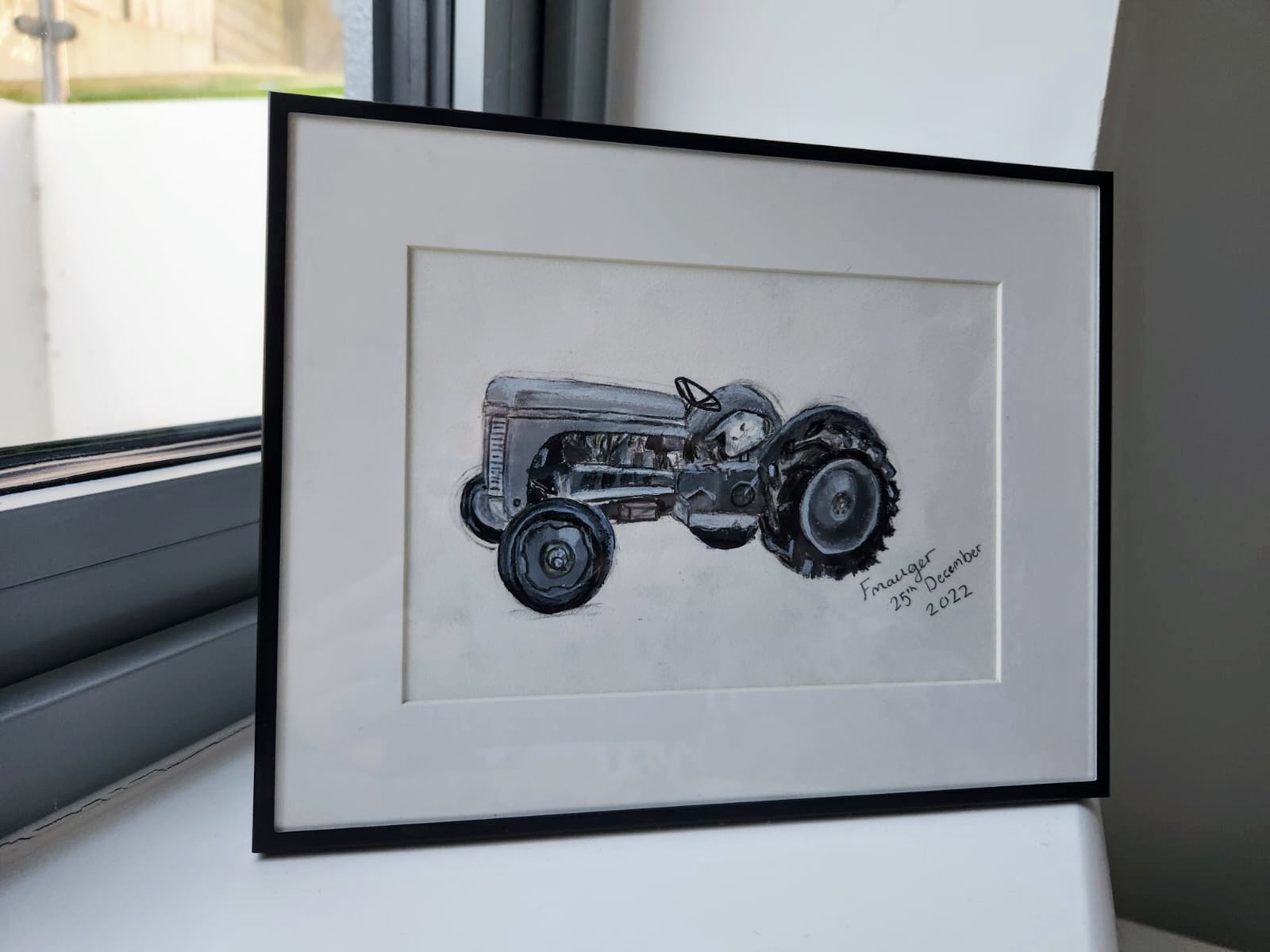
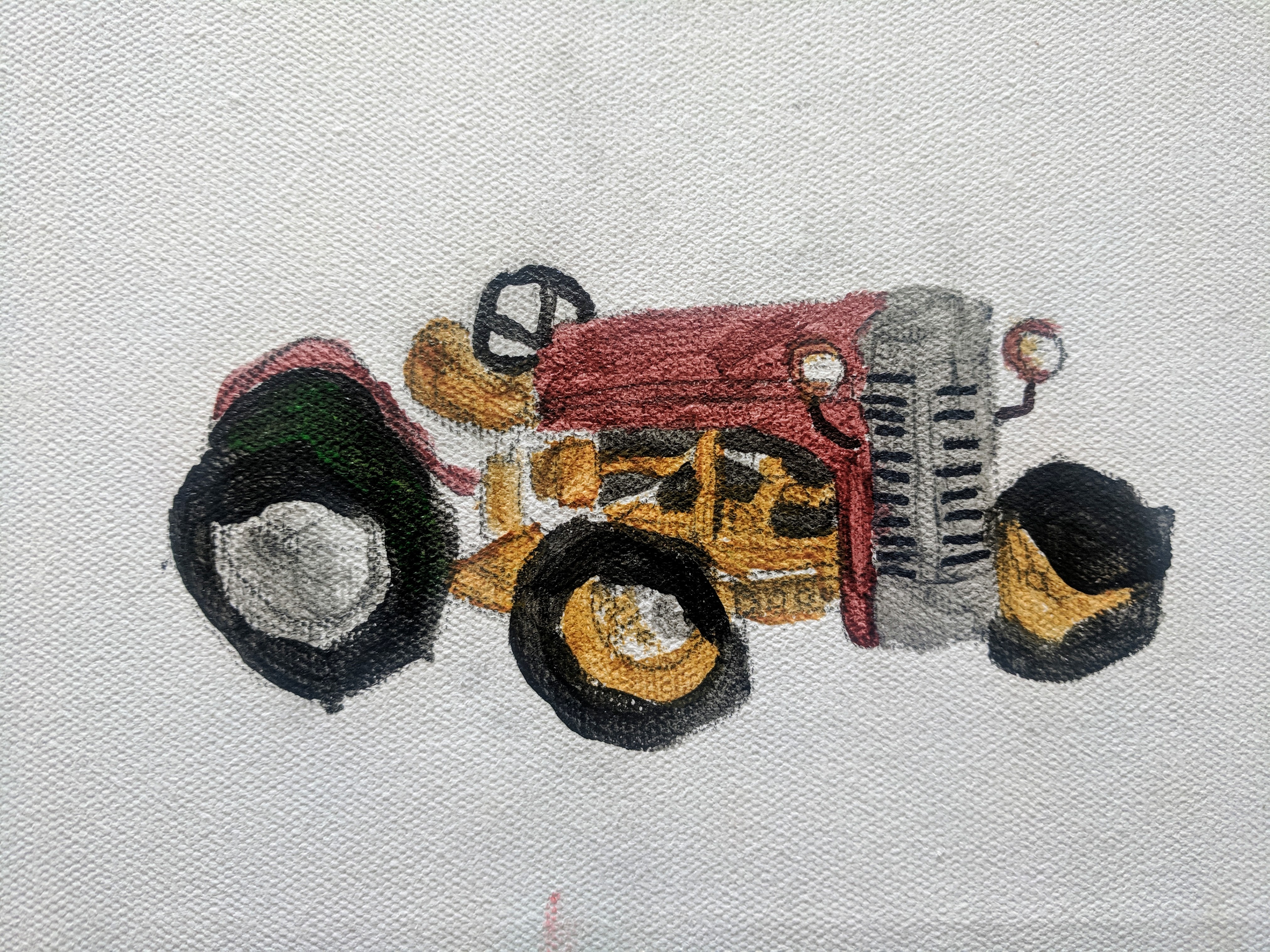
Drawing and painting are where a lot of it starts — animal studies, portraits, tractor studies, and the fashion illustration that doubles as design. Tap any image to see it larger.

Academic record

The grades behind the plan.

Strong NCEA results are the foundation of the Canterbury pathway — here's the record so far, and what's ahead.

NCEA Level 1

Achieved · 2025
  • Commerce
  • English
  • Science
  • Mathematics
  • Fashion & Design
  • Art
★ Achieved with Excellence endorsement

NCEA Level 2

This year · 2026
  • Mathematics
  • English
  • Business Studies
  • Physics
  • Chemistry
  • Biology
★ 100% Excellence grades so far (as of August)

NCEA Level 3

Next year · 2027
  • Mathematics with Calculus
  • Business Studies
  • Physics
  • Biology
  • Fashion & Design
Alongside ECON199 — first-year microeconomics studied remotely at the University of Canterbury.

My aspirational future

From market stall to my own company.

My plan is to study economics and entrepreneurship, then build a venture of my own. Here's the path I've mapped out.

Now · Year 12–13

ECON199 & NCEA

Finishing my NCEA L2 & 3, and hoping to be accepted into ECON199 microeconomics at the University of Canterbury in parallel with NCEA L3, to kick-start my university aspirations.

Undergraduate

BCom at Canterbury

A Bachelor of Commerce majoring in Innovation & Entrepreneurship, with a minor in Industrial Product Design — business fluency and the skill to design the product.

Postgraduate

Master of Product Innovation

A venture-led master's where the capstone project is building my own company, using the UC Centre for Entrepreneurship and product-design labs.

The goal

Founder & CEO

To walk out not just with a qualification, but with a built product and a company of my own.

I've researched this pathway in detail — course by course, all the way to a master's.

View my full university roadmap →